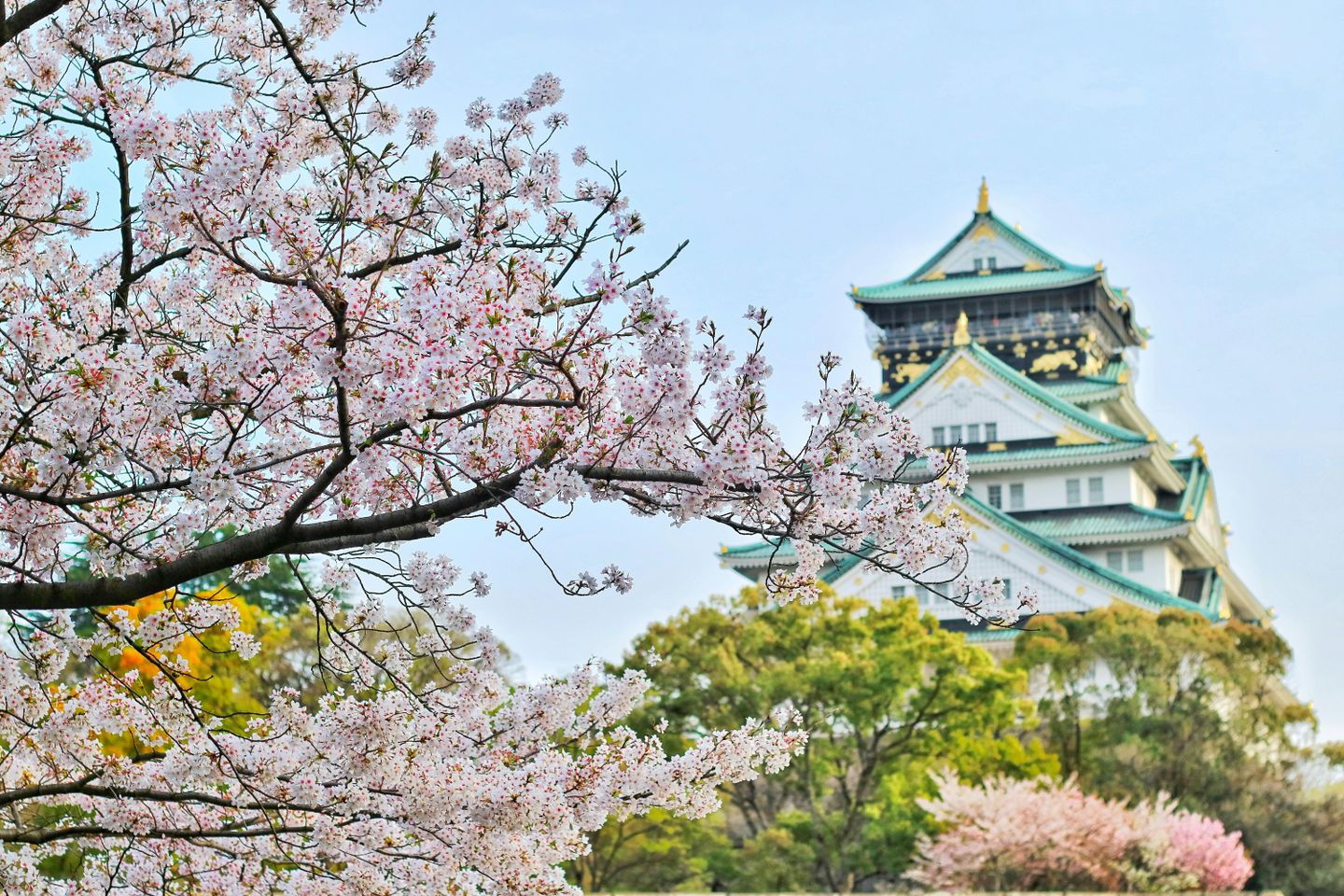
A Japanese castle tower behind cherry blossoms

Study Resource: Summary of Japanese sentence-ending particles

By: Mayumi Ito
Associated Articles

These activities are part of our Japanese Grammar series. The skills we are practicing here are covered in our articles:

よ [yo], ね [ne], and よね [yo ne]

Structures

plain form +

plain form +

plain form + よね

polite form +

polite form +

polite form + よね

Gender

Neutral

Neutral

Neutral

Main function

Drawing attention of the listener to something the listener doesn’t know

Showing or asking for empathy; “checking in”

Seeking confirmation

Functions & examples
  • Notification:

    あっ、忘れ物です。➚

    A, Iwasuremono desu yo.➚

    Oh, you forgot something!

  • Advice / warning:

    よそ見すると危ない。➚

    A, Iwasuremono desu yo.➚

    It’s dangerous to look away, you know?

  • New information:

    みんな元気です。➚ おかげさまで。

    Min'na genki desu yo.➚ Okagesama de.

    We are all fine. Thank you.

  • New information (Dissatisfaction):

    うるさいなあ。今起きる。➙

    Urusai nā. Ima okiru yo. ➙

    You’re so loud. I’m getting up now, you know.

  • Invitation:

    この辺で少し休みましょう。➙

    Kono hen de sukoshi yasumimashō yo.➙

    Let’s rest a little around here, shall we?

  • Request:

    向こうに着いたら電話して。➚

    Mukō ni tsuitara, denwa shite yo.➚

    Call me when you get there, OK?

    feminine
  • Command:

    体に気をつけろ。➚

    Karada ni ki o tsukero yo.➚

    Take care of yourself, OK?

    masculine
  • Command (accusational):

    時間がないんだ。さっさと歩け。➙

    Jikan ga nainda. Sassa to aruke yo.➙

    We don’t have time. Walk quickly, I tell you.

    masculine
  • Agreement:

    今日はいい天気です。➙
    本当にそうです。 ➙

    Kyō wa ii tenki desu ne. ➙
    Hōntō ni sō desu ne. ➙

    It’s a fine day today, isn’t it!
    It is indeed, isn’t it!

  • Ask for confirmation:

    パーティーは土曜日です? ➚

    Pātii wa doyōbi desu ne? ➚

    The party is on Saturday, right?

  • New Information (after some thoughts):

    一番大事なものは何ですか。
    うーん・・・やっぱり家族です。➙

    Ichiban daijina mono wa nan desu ka.
    Ūn…yappari kazoku desu ne.➙

    What is the most important thing for you?
    Hmmm…it’s got to be my family after all, you know?

  • Check understanding:

    天ぷら定食お願いします。
    天ぷら定食です。➚ 少々お待ちください。

    Tenpura teishoku onegai shimasu.
    Tenpura teishoku desu ne. ➚ Shōshō omachikudasai.

    Tempura Special, please.
    Tempura Special, right? Please wait a moment.

  • Sharing emotion (ね or ねえ):

    わあ、桜が満開!
    きれいですねえ。➘

    Wā, sakura ga mankai!
    Kirei desu

    Wow, the cherry blossoms are in full bloom!
    They are beautiful, aren’t they!

  • Comments on the listener (new discovery):

    へえ、友香さんって、絵がじょうずだ。➙

    Hē, Yuka san tte, e ga jōzu da ne.➙

    Oh, you are good at drawing, aren’t you, Yuka?

  • Request:

    必ず連絡して。➚

    Kanarazu renraku shite ne. ➚

    Please contact me by all means, OK?

    feminine
  • Invitation:

    また一緒に行こう。➚

    Mata issho ni ikō ne. ➚

    Let’s go there together again, OK?

  • Instruction:

    先生の話をよく聞きなさい。➚

    Sensei no hanashi o yoku kikinasai ne.➚

    Listen carefully to your teacher, OK?

  • Confirmation:

    ねえ、戸締まりちゃんとしてくれたよね。➚

    Nē, tojimari chanto shite kureta yo ne.➚

    Say, you did lock up the place as I asked, right?

  • Comments on the listener (foreknowledge):

    友香さんって、本当に絵がじょうずだよね。➙

    Yuka san tte, hontō ni e ga jōzu da yo ne.➙

    You are really good at drawing, aren’t you, Yuka?

  • Activation of the listener's knowledge:

    この先にデパートがありますよね。➚ 銀行はその隣です。

    Kono saki ni depāto ga arimasu yo ne. ➚ Ginkō wa sono tonari desu.

    There is a department store ahead, right? The bank is next to it.

  • Accusation / complaint:

    そんなこと、今言われても困るんだよね。➙

    Son’na koto, ima iwarete mo komaru n da yo ne.➙

    Saying such things to me now doesn’t help, you know.

か [ka], かな [kana], and っけ [kke]

Structures

polite form +

is often omitted in the plain style.
Before , [da] that follows a noun or na-adjective is often omitted.

plain form / i-adj + かな

Before かな, [da] that follows a noun or na-adjective is often omitted.

ta-form (〜た / ) + っけ

polite form + かな (by older males)

Gender

Neutral

Neutral

Neutral

Main function

Question marker

Expressing doubts

Indicating that the speaker's memory is uncertain

Functions & examples
  • Question:

    学生さんです。➚

    Gakusei-san desu ka.➚

    Are you a student?

  • Question:

    学校はどちらです。➚

    Gakkō wa dochira desu ka.➚

    What school do you go to?

  • Indirect question:

    会議が何時に始まる ➙まだ聞いていない。

    Kaigi ga nanji ni hajimaru ka ➙ mada kiite inai.

    I still haven’t heard what time the meeting starts.

  • Doubt:

    子供たちだけで大丈夫でしょう。➙

    Kodomotachi dake de daijōbu deshō ka. ➙

    I wonder if the children are alright on their own.

  • Uncertainty:

    明日は雪になるそうですよ。
    えっ、そうです。➙/➘ 困ったなあ。

    Ashita wa yuki ni naru sō desu yo.
    E, sō desu ka. ➙/➘ Komatta nā.

    I’ve heard that it’s going to snow tomorrow.
    Oh, is that so? That’s not good.

  • Invitation:

    明日うちに来ません。➚

    Ashita uchi ni kimasen ka.➚

    Call me when you get there, OK?

  • Urging:

    ふくれるのもいい加減にしない。➙

    Fukureru no mo ii kagen ni shinai ka.➙

    Why don’t you stop sulking already?

  • Accusation:

    だから言ったじゃない。➙/➘

    Dakara itta ja nai ka. ➙/➘

    I told you so, didn’t I!

  • Activation of the listener's knowledge:

    大丈夫!まだ明日もあるじゃないです。➙

    Mukashi koko ni eigakan ga atta ja nai desu ka.➙

    There once was a movie theater here, remember?

  • Acceptance of new facts:

    ああ、犯人は執事だった。➙

    Ā, han’nin wa shitsuji datta ka. ➙

    I told you so, didn’t I!

In a question:

明日も雨か。➙
うん、たぶん。

Ashita mo ame kana.➙
Un, tabun.

Do you think it’s going to rain tomorrow too?
Yeah, probably.

In a question:

すみません、会議は12時からでしたっけ。➙
いえ、2時からですよ。

Sumimasen, kaigi wa jūni ji kara deshitakke.➙
Ie, ni ji kara desu yo.

Excuse me, does the meeting start at 12 o'clock?
No, it starts at 2 o'clock.

Gendered Sentence-Enders

Structures

polite form + なあ

plain form +

plain form +

polite form + なあ (by older males)

polite form +

Before かな, [da] that follows a noun or na-adjective is often omitted.

polite form +

Gender

Neutral (sometimes masculine)

Feminine (sometimes neutral)

Feminine

Main function

Expressing deep emotions

Question, explanation

Feminine marker, light-hearted

Functions & examples
  • Discovery:

    ああ、桜がきれいだなあ。➘

    Ā, sakura ga kirei da .➘

    Ah, the cherry blossoms are beautiful!

  • Remembering the past:

    昨日食べた寿司はおいしかったなあ。➘

    Kinō tabeta sushi wa oishikatta .➘

    The sushi I ate yesterday was delicious!

  • Sharing discovery/emotions (older male):

    今日も暑いですなあ。➘

    Kyō mo atsui desu .➘

    It’s hot today too, isn’t it!

    masculine
  • Question (by anybody):

    どうして起きない?➚

    Dōshite okinai no?➚

    Do you think it’s going to rain tomorrow too?
    Yeah, probably.

    gender neutral
  • Explanation (women & children):

    お腹が痛い。➙

    Onaka ga itai no.➙

    (Because) my tummy hurts.

    feminine or youthful
  • Emotional emphasis (impressed):

    ふーん、そんなに猫が好きなの。➘ 

    Fūn, son’na ni neko ga suki nano.➘

    Hmmm, you love cats so much, I see! →

    feminine
  • Combined with よ, ね, or よね (disappointment or dissatisfaction):

    そのコンサート、実は行けなかったのよ。➘ 

    Sono konsāto, jitsu wa ikenakatta no yo.➘

    Actually, I couldn’t go to that concert, you know.

    feminine
  • Prohibition:

    おしゃべりしながら食べない。➙

    Oshaberi shinagarea tabenai no.➙

    Don’t talk and eat at the same time.

    feminine
  • Light-hearted assertion:

    私の方からお電話します。➚

    Watakushi no hō kara odenwa shimasu wa.➚

    I’ll call you.

    feminine
  • Expressing emotions:

    まあ、すてきだ。➚

    Mā, suteki da wa.➚

    My, that’s lovely!

    feminine
  • Combined with よ, ね, or よね:

    このお寿司、おいしいわね。➚

    Kono osushi, oishii wa ne. ➚

    This sushi is delicious, isn’t it?

    feminine
Structures

plain form + かい

plain form +

plain form + もん

na-adj / noun + かい

na-adj / noun +

Gender

Masculine

Masculine

Feminine

Main function

Old-fashioned question marker

Offering comments in a brusque manner

Explaining reasons

Functions & examples
  • Question:

    凧の揚げ方、知ってるかい。➚

    Tako no agekata, shitteru kai?➚

    Do you know how to fly a kite?

    masculine
  • Strong opposition:

    そんなこと、あってたまるかい。➙

    Son’na koto, atte tamaru kai.➙

    Heaven forbid.

    lit. I’ll never accept such a thing to happen.

    masculine
  • Opinions / observations:

    四年も勉強すれば、これくらい読めて当然。➙

    Yonen mo benkyō sureba, korekurai yomete tōzen sa.➙

    Of course I can read this after four years of study.

    masculine
  • Consolation:

    心配するな。すぐできるようになる。➙

    Shinpai suru na. Sugu dekiru yōni naru sa.➙

    Don’t worry. You’ll be able to do it in no time.

    lit. I’ll never accept such a thing to happen.

    masculine
  • Talking back / accusation:

    どういうこと。➙ きちんと説明しろよ。

    Dōyū koto sa.➙ Kichin to setsumei shiro yo.

    What do you mean? Explain it to me properly.

    lit. I’ll never accept such a thing to happen.

    masculine
  • Adding rhythms to one’s statements:

    それで、先生が、怒ってあ・・・

    Sore de sa, sensei ga sa, okotte

    And then, you know, our teacher,
    you know, got mad, you know, and…

    gender neutral
  • Reasons:

    どうして食べないの?
    にんじん、嫌いなんだもん。➙

    Dōshite tabenai no?
    Ninjin, kirai nanda mon.➙

    Why are you not eating?
    Because I don’t like carrots.

    feminine
  • Validating oneself:

    そんなこと、私だって知ってるもん。➙

    Son’na koto, watashi datte shitteru mon.➙

    Even I know that!

    feminine
Structures

plain verb / i-adj + かしら

depends on the use (see below)

plain form +

na-adj / noun + かしら

polite form + (used by older manservant)

Gender

Feminine

Masculine

Masculine

Main function

Expressing doubts

Prohibition / command / agreement, confirmation

Expressing the speaker’s strong will

Functions & examples
  • Expressing doubts:

    佐藤さん、ほんとに来てくれるかしら。➙

    Satō san, honto ni kite kureru kashira.➙

    I wonder if Ms. Sato will really come for us.

    feminine
  • Prohibition (dictionary form + な):

    おい、家の中であばれる。➙

    Oi, ie no naka de abareru na. ➙

    Hey, don’t play rough in the house!

    masculine
  • Commands (Verb ます + な):

    もっと食べよ。➙

    Motto tabe na yo. ➙

    Eat more.

    lit. I’ll never accept such a thing to happen.

    masculine
  • Seeking confirmation (plain form + な):

    よし。わかった。➚

    Yoshi. Wakatta na.➚

    Good. You understood it, right?

    lit. I’ll never accept such a thing to happen.

    masculine
  • Seeking agreement (plain form + な):

    今日は暑すぎるよ。➙

    Kyō wa atsusugiru yo na.➙

    It’s too hot today, don’t you think?

    masculine
  • Strong will / opinions:

    今日の試合は絶対勝つ。➙

    Kyō no shiai wa zettai katsu zo.➙

    I’ll definitely win today’s game!

    masculine
  • Emphasis:

    もう9時だ。➙ そろそろ起きろ。

    Mō ku ji da zo.➙ Sorosoro okiro.

    It’s 9:00 already! About time to get up.

    masculine

To embark on your next language adventure, join Mango on social!

Ready to take the next step?

The Mango Languages learning platform is designed to get you speaking like a local quickly and easily.

Mango app open on multiple devices