We can’t use よ[yo] with an invitation that uses 〜ませんか[...masen ka](Why don’t we …?) or 〜ましょうか[...mashō ka](Shall we…?) though these expressions are also used for invitations.
Japanese Articles
よ [yo] and ね [ne]: How to use these sentence-ending particles in Japanese?
By: Mayumi Ito Fri Jun 12 2026
The Japanese sentence-ending particles よ[yo], ね[ne], and よね[yo ne] are used at the end of Japanese sentences to indicate the speaker’s purpose in addressing the listener. Here’s what each one indicates:
よ[yo] → This sentence is drawing the listener’s attention to something they don’t know or indicating the sentence was “designed for” the listener.
ね[ne] → The speaker is “checking in” with the listener, seeking connection or confirming their understanding.
よね[yo ne] → Much like ね[ne], but used in slightly different circumstances.
In this post, we’ll go through all the different situations where you can use these sentence-ending particles, and introduce some of the grammatical rules you’ll need to follow in each use. Let’s have a look!
How to use よ [yo]?
The most basic function of the sentence-ending particle よ[yo] is to signal that what you’ve just said is information specifically provided for the listener. It’s a little like adding a word like “hey,” though it’s less confrontational. You might use this:
To notify someone of something that’s happened → “Hey, you dropped something!”
To respond to something they just asked → “I’m fine, thanks.”
To invite the listener to do something → “Let’s meet.”
To command the listener to do something → “Come quickly.”
The sentence-ending particle よ[yo] is mostly optional. It’s a useful communication tool, and you'll hear it often, but you should avoid overusing it lest it could sound a bit too pushy or overfamiliar.
Now let’s look at each of these functions of よ[yo]!
To notify, give advice, or warn
Though the use of よ[yo] is optional, it sounds more natural to use it when we notify, give advice to, or warn the listener as below. The intonation goes up in these cases.
Notification
あ、磯野さん、忘れ物ですよ。➚
A, Isono san, wasuremono desu yo. ➚
Oh, Mr. Isono, you forgot something!
Advice / Warning
よそ見すると危ないよ。➚
Yosomi suru to abunai yo. ➚
It’s dangerous to look away, you know?
To respond to a question or request
We can use よ[yo] with the rising intonation in a response to an inquiry or request, as a way to offer a new piece of information in a friendly manner.
Speaker A:
ワンちゃんは元気ですか。
Wan-chan wa genki desu ka.
How is your pup?
Speaker B:
ええ、元気ですよ。➚ おかげさまで。
Ē, genki desu yo. ➚ Okagesama de.
She is doing well. Thank you for asking.
Used with a non-rising intonation, however, よ[yo] often conveys the speaker’s dissatisfaction.
Speaker A:
早く起きなさい!
Hayaku okinasai!
Hurry, get up!
Speaker B:
うるさいなあ。今起きるよ。➙
Urusai nā. Ima okiru yo. ➙
You’re so loud. I’m getting up now, you know.
To invite, request, or command
よ[yo] with a non-rising intonation can be added to an invitation to add a coaxing tone coaxing tone.
この辺で少し休みましょうよ。➙
Kono hen de sukoshi yasumimashō yo. ➙
Let’s rest a little around here, shall we?
→ polite invitation
ねえ、いっしょに行こうよ。➙
Nē, issho ni ikō yo. ➙
Say, let’s go together, shall we?
→ casual invitation
Tip
よ[yo] with a rising intonation softens the tone of requests and commands.
向こうに着いたら電話してよ。➚
Mukō ni tsuitara, denwa shite yo. ➚
Call me when you get there, OK?
→ request, feminine sounding
体に気をつけろよ。➚
Karada ni ki o tsukero yo. ➚
Take care of yourself, OK?
→ command, masculine sounding
However, if you add よ[yo] to a request or command and use a non-rising intonation, you’ll add an accusational tone. You might use よ[yo] this way if the listener is not doing what you’re asking.
時間がないんだ。さっさと歩けよ。➙
Jikan ga nainda. Sassa to aruke yo. ➙
We don’t have time. Walk quickly, I’m telling you.
→ command, masculine sounding
Tip
The following structure was historically used only by male speakers. Today it is used by female speakers as well, but it still sounds a little “masculine.”
na-adjective or noun
だ[da]
よ[yo]
きれいだよ。
Kirei da yo.
It’s beautiful, you know.
→ masculine
If the structure is used without だ[da], the structure will be feminine instead. This structure is still mostly used by female speakers:
na-adjective or noun
よ[yo]
きれいよ。
Kirei yo.
It’s beautiful, you know.
→ feminine
The same tendency applies if you replace よ[yo] with one of the other particles discussed in this article, ね[ne] and よね[yo ne].
How to use ね [ne]?
The sentence-ending particle ね[ne] is primarily used “check in” with the listener, often to ask for confirmation, much like you might use “right?” or “eh?” in English. Use this particle in a case where you think you know something, but you are certain the listener knows. In this use ね[ne] receives a rising intonation. For example:
Speaker A:
パーティーは土曜日ですね? ➚
Pātii wa doyōbi desu ne? ➚
The party is on Saturday, right?
Speaker B:
ええ、そうです 。
Ē, sō desu.
Yes, it is.
You can also use ね[ne] this way to confirm you correctly understood what someone just told you. As in the example below:
Customer:
天ぷら定食お願いします。
Tenpura teishoku onegai shimasu.
Tempura Special, please.
Server:
天ぷら定食ですね。➚ 少々お待ちください。
Tenpura teishoku desu ne. ➚ Shōshō omachikudasai.
Tempura Special, right? Please wait a moment.
Tip
Unlike よ[yo], which simply changes the “feeling” around a sentence that works fine on its own, there are some cases where leaving out ね[ne] will no longer be performing the basic function of asking for confirmation. So make sure to include this one!
Like the English questions “right?” and “eh?,” though, you can use this particle in cases where you’re not really seeking confirmation as much as you are creating some empathy between yourself and others. Let’s look at some of these cases!
To establish empathy or connection
You can use ね[ne] with a flatter tone to offer your assessment of a situation and invite your listener to agree with it, establishing some empathy. When the listener responds, their sentence should end with ね as well.
Speaker A:
今日はいい天気ですね。➙
Kyō wa ii tenki desu ne. ➙
It's a fine day today, isn’t it!
→ asking for agreement
Speaker B:
本当にそうですね。➙
Hontō ni sō desu ne. ➙
It is indeed, isn’t it!
→ giving agreement
To express emotion
When ね[ne] is used to form an exclamation that express the your strong emotion. In this use it is often pronounced ねえ[nē] with a long vowel and the intonation goes down at え.
わあ、桜が満開!きれいですねえ。➘
Wā, sakura ga mankai! Kirei desu nē! ➘
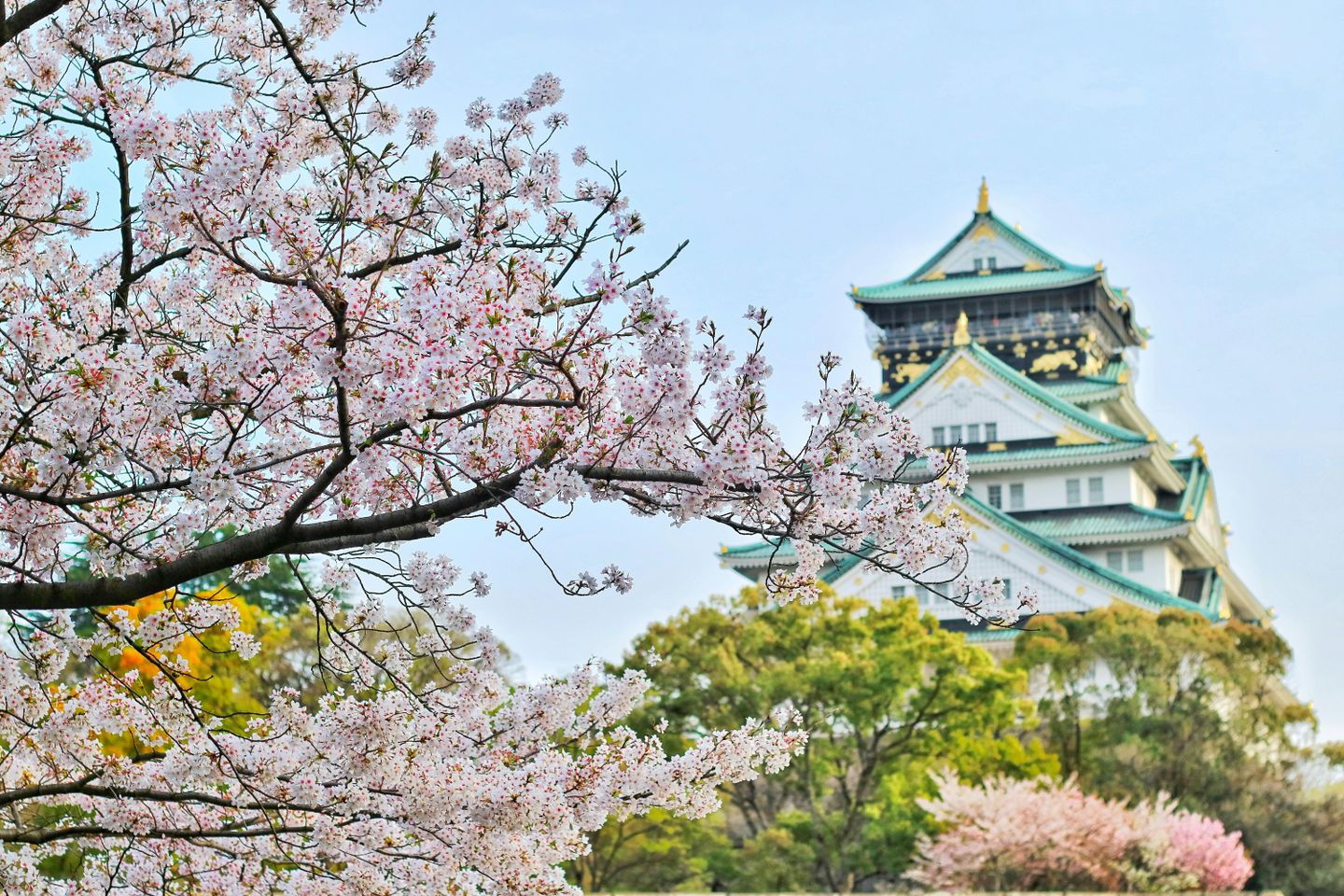
Wow, the cherry blossoms are in full bloom! They are beautiful, aren’t they!
Here the speaker is not really seeking agreement or confirmation, they’re just exclaiming their own thoughts.
Important
You usually use ね[ne] this way only if there’s someone you plan to share your emotions with. If you’re really just talking to yourself it’s more common to use the particle なあ[nā], along with the plain form of the verb.
ああ、桜がきれいだなあ。➘
Ā, sakura ga kirei da nā. ➘
Ah, the cherry blossoms are beautiful!
昨日食べた寿司は本当においしかったなあ。➘
Kinō tabeta sushi wa hontō ni oishikatta nā. ➘
The sushi I ate yesterday was truly delicious!
To comment on the listener
We also need ね[ne] when we make comments about the listener or something that is related to the listener like this:
Speaker A:
東京大学に合格したんだってね。➙ おめでとう!
Tōkyō Daigaku ni gōkaku shitandatte ne. ➙ Omedetō!
I’ve heard that you have been admitted to the University of Tokyo. Congratulations!
Speaker B:
ありがとう!
Arigatō!
Thank you!
To request, invite, or instruct
Though optional, you can use ね[ne] at the end of a request, invitation, or instruction to soften the tone, like you might use “OK?” in English. It sounds less pushy than よ[yo].
Request:
必ず連絡してね。➚
Kanarazu renraku shite ne. ➚
Please contact me by all means, OK?
Invitation:
また一緒に行こうね。➚
Mata issho ni ikō ne. ➚
Let’s go there together again, OK?
Instruction:
先生の話をよく聞きなさいね。➚
Sensei no hanashi o yoku kikinasai ne. ➚
Listen carefully to your teacher, OK?
When answering a question
In rare cases, you can opt to use ね[ne] in a response to a question, but you’ll usually only do this when you need some time to come up with the answer.
Interviewer:
あなたにとって、一番大事なものは何ですか。
Anata ni totte, ichiban daijina mono wa nan desu ka.
What is the most important thing for you?
Interviewee:
うーん・・・やっぱり家族ですね。➙
Ūn…yappari kazoku desu ne. ➙
Hmmm…it’s got to be my family after all, you know?
How to use よね [yo ne]?
The particle よね[yo ne], a combination of よ[yo], which is used to draw the listener’s attention, and ね[ne], which is used to ask for confirmation. It is used much like ね[ne] alone, but with some differences.
To request confirmation
We can use よね[yo ne] to ask for confirmation from the listener. However, while ね[ne] alone is used when you’re fairly sure what you’re saying is true, よね[yo ne] is used when you’re a little less certain. The intonation goes up at ね.
ねえ、戸締まりちゃんとしてくれたよね。➚
Nē, tojimari chanto shite kureta yo ne. ➚
Say, you did lock up the place as I asked, right?
To comment on the listener with foreknowledge
We can also use よね[yo ne] to comment on the listener, like ね[ne]. But while ね[ne] is used to comment on a newly discovered fact about the listener, よね[yo ne] suggests that the speaker has known the fact about the listener for some time.
へえ、友香さんって、絵がじょうずだね。➙
Hē, Yuka san tte, e ga jōzu da ne. ➙
Oh, you are good at drawing, aren’t you, Yuka?
→ The speaker has just discovered the fact.
うーん、友香さんって、本当に絵がじょうずだよね。➙
Ūn, Yuka san tte, hontō ni e ga jōzu da yo ne. ➙
Mmm, you are really good at drawing, aren’t you, Yuka?
→ The speaker has known the fact for a long time.
To activate a listener’s knowledge
You can use よね[yo ne] as a way to call a listener's mind back to something they already know.
この先にデパートがありますよね。➚ 銀行はその隣です。
Kono saki ni depāto ga arimasu yo ne. ➚ Ginkō wa sono tonari desu.
There is a department store ahead, right? The bank is next to it.
To accuse or complain to the listener
You can also use よね[yo ne] when accusing the listener of some wrongdoing.
そんなこと、今言われても困るんだよね。➙
Son’na koto, ima iwarete mo komaru n da yo ne. ➙
Saying such things to me now doesn’t help, you know.
To sum up
In this article, we have examined how the sentence-ending particles よ[yo], ね[ne], and よね[yo ne] are used in Japanese conversations. Remember this basic distinction:
よ[yo] → Indicates that the sentence was “designed for” the listener specifically (think “hey!”)
ね[ne] → Seeking confirmation (e.g. “right?”) or constructing empathy.
よね[yo ne] → Much like ね, with some slight differences.
Time to practice what you’ve learned! Check out our activities on よ, ね, and よね and see if you’ve mastered them. Or, if you’d rather compare these sentence-ending particles with others, have a look at our sentence-ending particle summary!