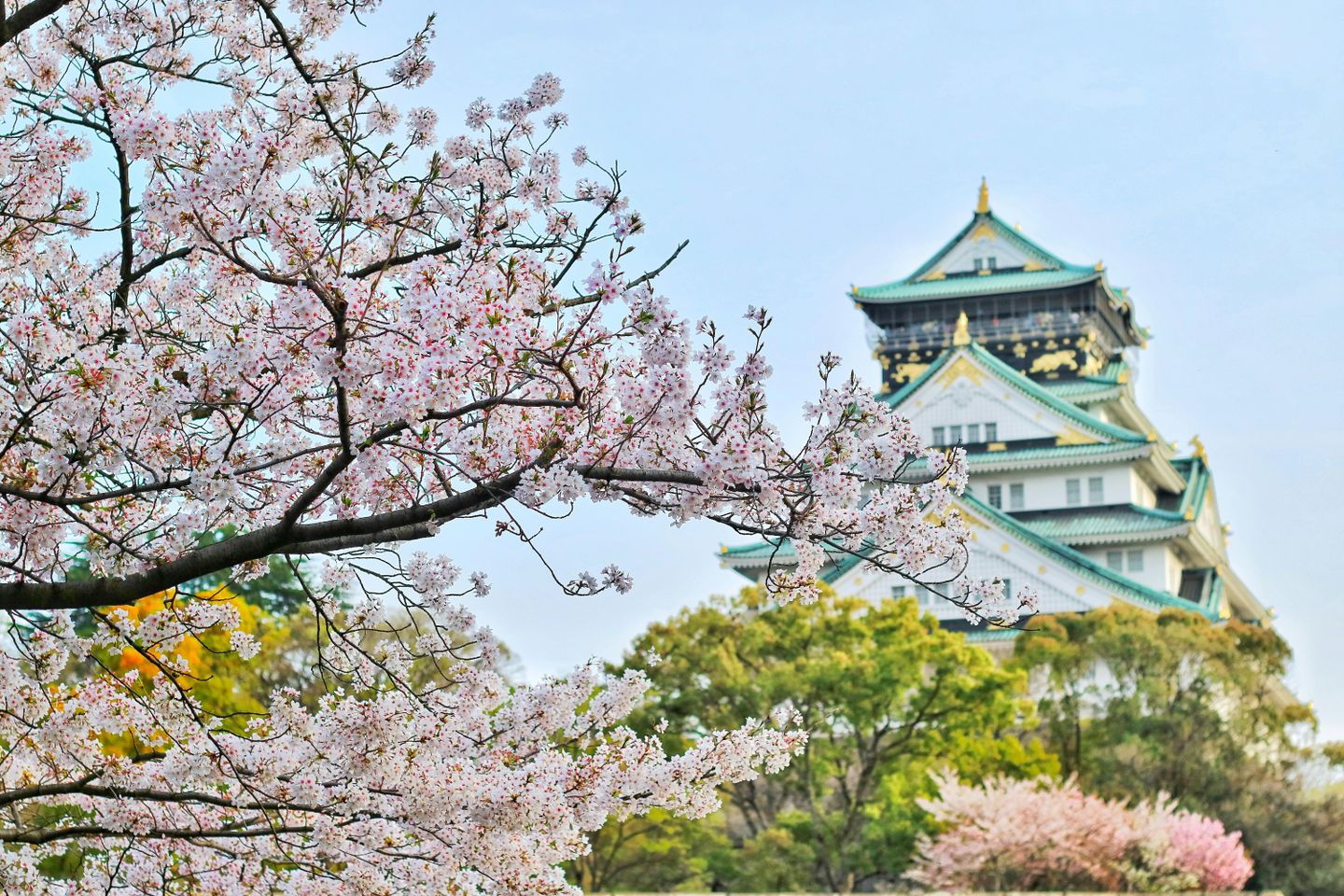
ほら、京都に着いた。()
Hora, Kyōto ni tsuita ___.
Hey, we are in Kyoto.
Activities: "よ (yo) and ね (ne)"
By: Mayumi Ito
Activity 1: Traveling with Hikaru
Are you still not sure when to use よ, ね(え) and よね? No worries! Practice makes perfect. Read each of the short descriptions and conversations below and add the most appropriate particle (よ, ね, ねえ or よね) in the blank. Add the intonation sign in the last blank (➚, ➙, or ➘) too!
You and your friend Hikaru are visiting Kyoto today. Your bullet train just arrived at Kyoto Station. Hikaru is fast asleep. Let’s wake them up.
えっ、もう?はやかった。()
E, mō? Hayakatta ___.
Oh, already? It was quick!
You and Hikaru are heading to the famous Kiyomizu Temple. It seems you two are lost. Let’s ask a stranger and find out how to get there.
すみません、清水寺はどこですか。
Sumimasen, Kiyomizu-dera wa doko desu ka.
Excuse me, where’s Kiyomizu Temple?ああ、この道まっすぐです。()
Ā, kono michi massugu desu ___.
Oh, already? It was quick!
You enjoyed your first afternoon in Kyoto. It’s now almost dinner time. You are starving! You’re pretty sure Hikaru is hungry too. Let’s make sure you two are on the same page.
おなかすいた。()
Onaka suita ___.
We are hungry, aren’t we?うん、何か食べたい。()
Un, nanika tabetai ___.
Yeah, we want to eat something, don’t we?
You two look around to find a place to eat. Hikaru makes a suggestion. What do you think?
ねえ、あの店にしよう。()
Nē, ano mise ni hairō ___.
Say, let’s pick that place.うん、いい。そうしよう。()
Un, ii ___. Sō shiyō.
Sure. Let’s do so.
The inside of the restaurant looks and smells great! You and Hikaru decide on the same dish. Let’s talk to the waiter and order them.
うなぎ定食2つお願いします。
Unagi teishoku futatsu onegai shimasu.
Two unagi special, please.うなぎ定食2つです。少々お待ちください。()
Unagi teishoku futatsu desu ___. Shōshō omachi kudasai.
Two unagi special, right? Please wait for a moment.
After the dinner, you and Hikaru head to your hotel. It was Hikaru who made the booking. Before hopping onto the bus, you want to make sure where the hotel is.
えーっと、ホテルは金閣寺の近くだった。()
Ētto, hoteru wa Kinkakuji no chikaku datta ___.
Let’s see, our hotel is near the Golden Pavilion, right?そう。京都マンゴーホテルだ。()
Sō. Kyōto Mangō Hoteru da ___.
Right. It's the Kyoto Mango Hotel.
It turns out that Kyoto Mango Hotel is a nice place to stay at a great price! Impressed, you congratulate Hikaru by saying…
いつも感心するけど、ヒカルって穴場探しの名人だ。()
Itsumo kanshin suru kedo, Hikaru tte anaba sagashi no meijin da ___.
I’ve been impressed all the time, but you are great at finding little-known gems, aren’t you, Hikaru!えへへ、それほどでも。
Ehehe, sore hodo demo.
Ehehe, I’m not that good.
It was a great first day in Kyoto! Before falling asleep, let’s share your thoughts with Hikaru.
今日は楽しかった。天気もよかったし。()
Kyō wa tanoshikatta ___. Tenki mo yokatta shi.
We had fun today, didn't we! The weather was good too.うん、明日も晴れるといい。おやすみ!()
Un, ashita mo hareru to ii ___. Oyasumi!
Yeah, I hope it’ll be sunny tomorrow too. Good night!
Activity 2: Your New Job
Let’s prepare ourselves for real-world conversations! Which of the following responses do you think is the most appropriate? Read aloud to see which sounds the best. Then select the best choice!
Today is your first day at the office. Your work partner introduces herself. Her last name is Kusakabe. It’s a new name for you, so you want to make sure you can pronounce it correctly. (Your own name goes in the blank!)
Ms. Kusakabe shows you around the office and explains the basic routine. The company is known for not asking workers to do 残業[zangyō](overtime work) (maybe you chose this company for that reason 😅). You just want to make sure of that point with your partner.
For the next two questions, you'll create your own answer! You can use your own word or choose one from the word bank. Make sure to use よ, ね, or よね!
Finally, the work day is over! You met up with your friends at your favorite cafe. One of them asks you how your first day at the office was. Glad to be asked, you answer promptly.
Word Bankおもしろかった
omoshirokatta
it was interesting
つまらなかった
tsumaranakatta
it was dull
楽だった
raku datta
it was easy
大変だった
taihen datta
it was hard
忙しかった
isogashikatta
it was a busy day
暇だった
hima datta
it was a slow day
On the way home, you see a person walking ahead of you drop something. The person doesn’t seem to notice it. Let’s call out and let them know. As for the dropped item, you can name it or choose one from the word bank.
Word Bank〜が落ちました
...ga ochimashita
you dropped...
lit. ...fell off
財布
saifu
wallet
ハンカチ
hankachi
handkerchief
定期券
teikiken
commuter pass
スマホ
sumaho
smartphone
鍵
kagi
keys
サングラス
sangurasu
sunglasses
イヤホン
iyahon
earbuds