A luscious platter of sushi

Activities: What are some ways to describe Japanese nouns without using traditional adjectives?

By: Mayumi Ito
Associated Articles

These activities are part of our Japanese Grammar series. The skills we are practicing here are covered in our article:

Exercise 1: Noun-modifying expressions

Let’s practice using various types of noun-modifying expressions! For each case below, complete each sentence that describes the images using the expressions given in the word bank. You may need to add a particle or change the shape of the word as you see fit (see the example). You can use each word only once.

Word Bank
  • きれい

    kirei

    beautiful; pretty; clean

    used for example
  • ぼろぼろの

    boroboro no

    worn out; tattered

  • 小さな

    chiisana

    small; little

  • 凍った

    ko’otta

    frozen

  • 紫色

    murasaki iro

    purple color

  • れんが

    renga

    brick

Example:

今日、きれい虹を見た。

Kyō, kireina niji o mita.

I saw a beautiful rainbow today.

a rainbow

Your turn!

  • チワワは 犬です。
    Chiwawa wa ... inu desu.
    Chihuahuas are small dogs.

    Suggested answer:
    小さな[chiisana](small)

    Note:
    Since 小さな[chiisana](small; little) is a rentaishi(adnominal adjective) and it comes before a noun ( [ inu](dog)), there is no need to change it into 小さい[chiisai], though it works too.

    Chihuahua dog
  • 公園に花が咲いている。
    Kōen ni ... hana ga saite iru.
    Purple-colored flowers are in bloom in the park.
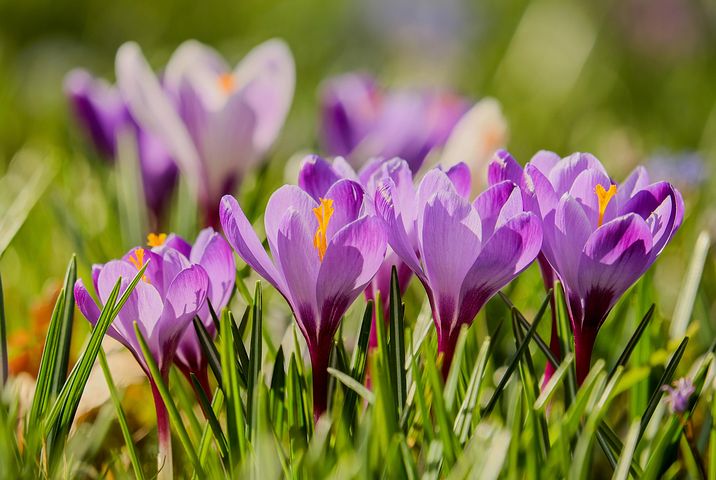
    Sample answer:
    紫色の[murasaki iro no](purple-colored)

    Purple crocus flowers
  • 妹はぬいぐるみを大事にしている。
    Imōto wa ... nuigurumi o daiji ni shiteiru.
    My younger sister cherishes her worn-out stuffed toy.
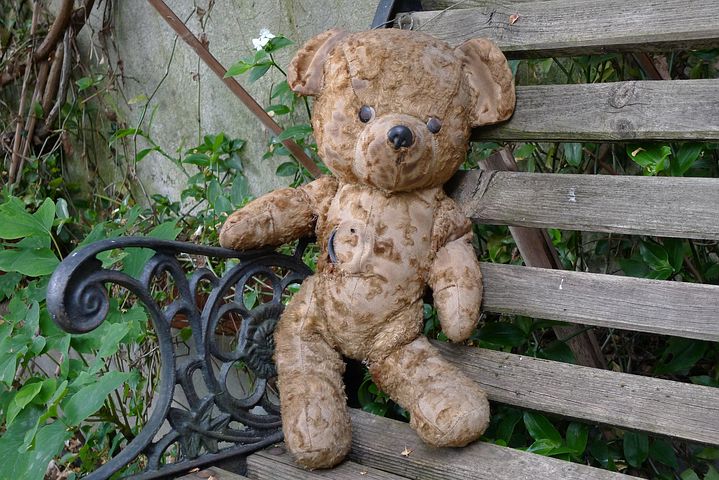
    Sample answer:
    ぼろぼろの[boroboro no](worn-out)

    Note:
    ぼろぼろな is also acceptable since ぼろぼろ works as a na-adjective as well as an adverb.

    an old teddy bear on a bench
  • 冬は湖でスケートをします。
    Furyu wa ... mizu’umi de sukēo o shimasu.
    We skate on the frozen lake.
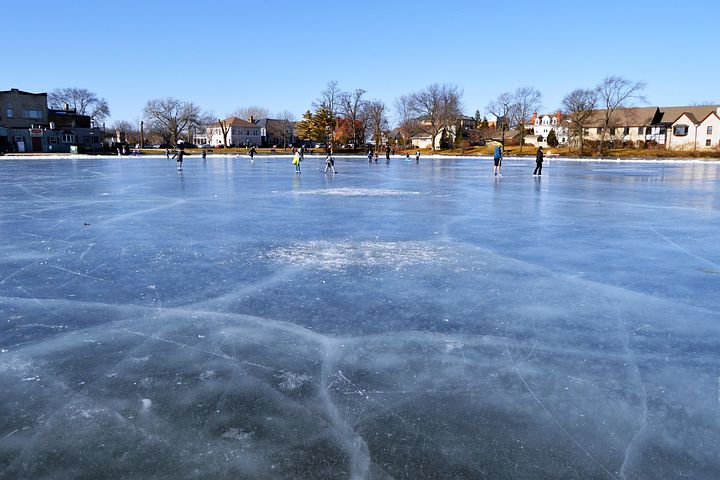
    Sample answer:
    凍った[ko’otta](frozen)

    ice skaters on a lake in a small town
  • 3番目の子豚は家に住んでいました。
    Sanbanme no kobuta wa ... ie ni sundeimashita.
    The third little pig lived in a brick house.
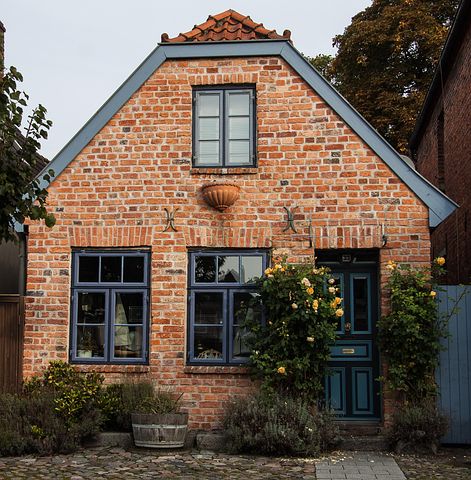
    Sample answer:
    れんがの[renga no](brick)

    a small brick house

Exercise 2: Fix the Errors!

Each of the following sentences has one error. Find and correct the error by rewriting the sentence in the box below.

  • その空き地には壊れました自転車がたくさん捨てられていた。

    Sono akichi ni wa kowaremashita jitensha ga takusan suterareteita.

    Many broken bicycles had been abandoned in the empty lot.

    Correct answer:
    その空き地には 壊れ 自転車がたくさん捨てられていた。[Sono akichi ni wa kowareta jitensha ga takusan suterareteita.]

    Note:
    Alternatively, you can say 壊れている[kowareteiru], using the -teiru form instead of the ta-form.

  • シロナガスクジラは動物の中で一番大きなだ。

    Shironagasu kujira wa dōbutsu no naka de ichiban ōkina da.

    Blue whales are the biggest among animals.

    Correct answer:
    シロナガスクジラは動物の中で一番 大き[Shironagasu kujira wa dōbutsu no naka de ichiban ōkii.]

    Note:
    Remember the rentaishi(adonominal adjective) doesn’t conjugate and can’t become the predicate. Since 大きな[ōkina] and 大きい[ōkii] both mean “big; large,” we can replace the underlined part with the i-adjective version.

  • 今日は病気な友達のお見舞いに行った。

    Kyō wa byōkina tomodachi no omimai ni itta.

    Today I went to see a sick friend of mine.

    Correct answer:
    今日は 病気 友達のお見舞いに行った。[Kyō wa byōki no tomodachi no omimai ni itta.]

    Note:
    病気[byōki](illness) is a noun, not a na-adjective. We need to add to modify a noun.

  • どうして破れてジーンズが1万円もするんだろう。

    Dōshite yaburete jiinzu ga ichiman en mo suru ndarō.

    Why does a pair of torn jeans cost ten thousand yen, I wonder?

    Correct answer:
    どうして 破れ ジーンズが1万円もするんだろう。[Dōshite yabureta jiinzu ga ichiman en mo suru ndarō.]

    Note:
    Alternatively, you can say 破れている[yabureteiru], using the -teiru form instead of the ta-form.

  • 朝ごはんはふわふわにパンケーキが食べたい。

    Asagohan wa fuwafuwani pankēki ga tabetai.

    For breakfast, I want to eat fluffy pancakes.

    Correct answer:
    朝ごはんは ふわふわ パンケーキが食べたい。[Asagohan wa uwafuwa no pankēki ga tabetai.]

    Note:
    We use the “adverb + + noun” to modify a noun (パンケーキ). ふわふわな[fuwafuwana] is OK too in this case.

To embark on your next language adventure, join Mango on social!

Ready to take the next step?

The Mango Languages learning platform is designed to get you speaking like a local quickly and easily.

Mango app open on multiple devices