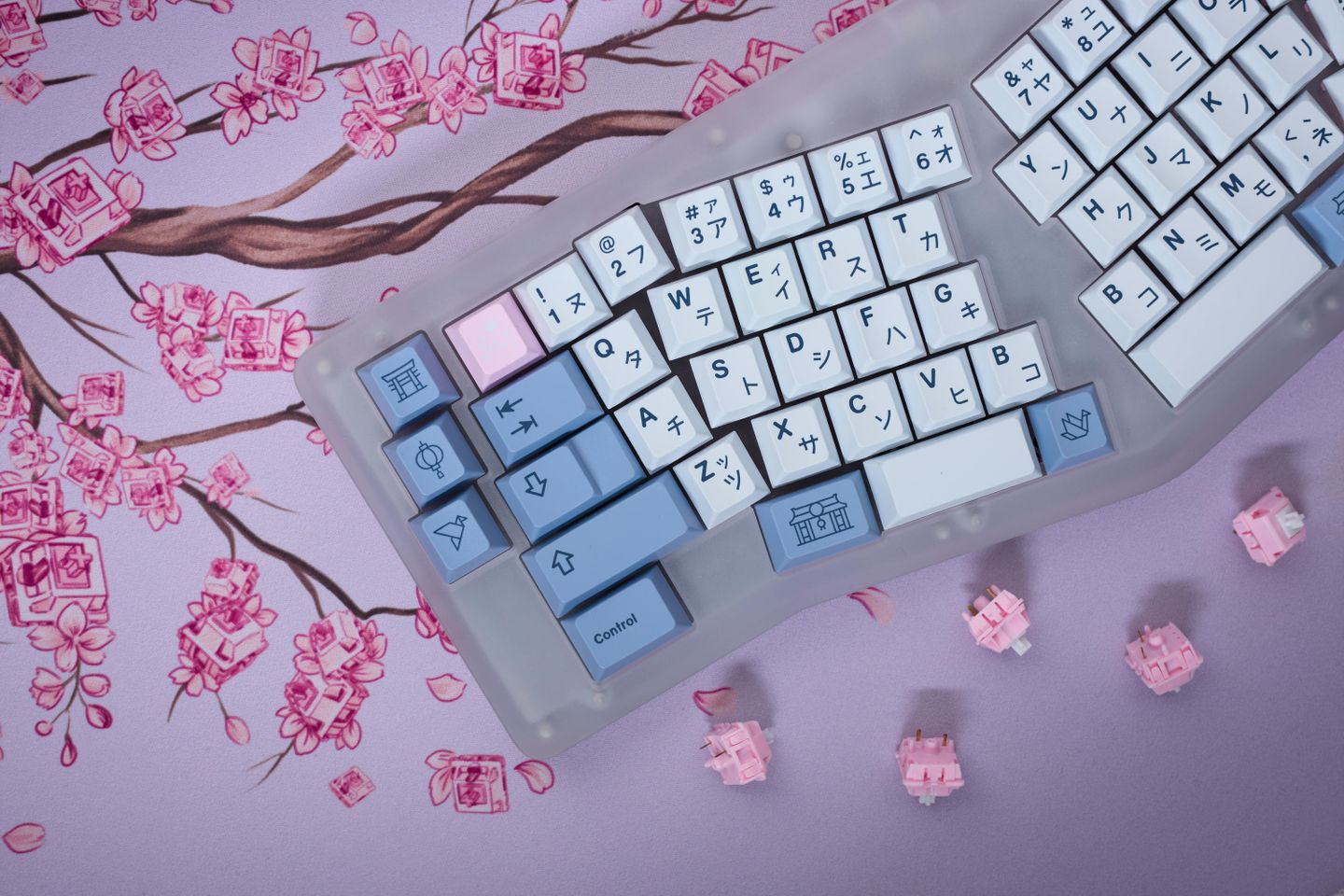
An enthusiast-grade mechanical keyboard with both English and Japanese keycaps

Activities: What are particles in Japanese?

By: Sayumi Suzuki
Associated Articles

These activities are part of our Japanese Grammar series. The skills we are practicing here are covered in our article:

Exercise 1: Match the particles to their uses

Drag and drop to match the particle with the correct function.

が [ga]
を [o]
で [de]
に [ni]
ね [ne]
よ [yo]
は [wa]
も [mo]
ば [ba]
ながら [nagara]
  1. New information marker:

  2. Subject marker:

  3. Direct object marker:

  4. Location of action marker:

  5. Goal or time marker:

  6. Marker to seek agreement:

  7. Topic marker:

  8. Parallel marker:

  9. Conditional marker:

  10. Simultaneity marker:

Exercise 2: Match sentences to pictures

  • Bear Meat

    A man eating roasted bear meat
    Vocabulary
    • 先週

      senshū

      last week

    • 食べる

      taberu

      to eat

    • kuma

      bear

    • アレックス

      arekkusu

      Alex

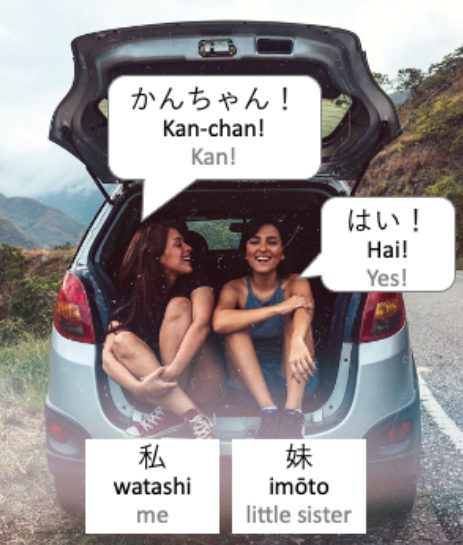
  • Sisters

    Two sisters talking in the back of a car. Watashi (me) calls imoto (little sister) "Kan-chan" and she replies "Hai!" (Yes!)

    - かんちゃん! [Kan-chan!] (Kan!)
    - はい! [Hai!] (Yes!)

    Vocabulary
    • imōyo

      little sister

    • 呼ぶ

      yobu

      to call

    • Xと

      to

      quote marker

Exercise 3: Fill in the blanks

Provide a particle in the blanks, so that it matches the English sentence.

  • 毎日、朝八時 起きてオフィス行く。
    Mainichi, asa hachiji ... okite ofisu ... iku.
    Everyday, I wake up at eight o’clock in the morning and go to the office.

    八時[hachiji](eight o’clock) is time, so marked by Phrase. オフィス is a goal (destination) of the action (“to go”), so marked by [ni].

    • 明日、駅前の広場コンサートがあります
      Ashita, ekimae no hiroba ... konsāto ga arimasu ... !
      Everyday, I wake up at eight o’clock in the morning and go to the office.

    • え、そうなんですか!
      E, sōnan desu ka!
      Oh, is that so?

      B clearly did not know about the concert (= new information), so [yo] is the correct sentence-ending particle to choose for A’s sentence.

  • 土曜日、晴れれスキーに行こう
    Doyōbi, harere ... sukī ni ikō ne.
    If it’s sunny this Saturday, let’s go skiing.

    “if” indicates “being sunny” is a condition. Use conditional marker [ba]!

  • これはカニクリームコロッケですけど、それコロッケです
    Kore wa kani kurīmu korokke desu kedo, sore ... korokke desu ... .
    This is crab cream croquette. That is also a croquette, right?

    The speaker mentions both これ[kore](this) and それ[sore](that) are croquettes, so use the parallel marker [mo] after the second item listed, それ[sore](that). Use [ne] at the end of the sentence because the speaker is seeking agreement as “..., right?”

  • 音楽を聞き通学します。
    Ongaku o kiki ... tsūgaku shimasu.
    I go to school while listening to music.
    Listening to music and going to school are happening at the same time, so use the simultaneity marker, ながら[nagara].

To embark on your next language adventure, join Mango on social!

Ready to take the next step?

The Mango Languages learning platform is designed to get you speaking like a local quickly and easily.

Mango app open on multiple devices