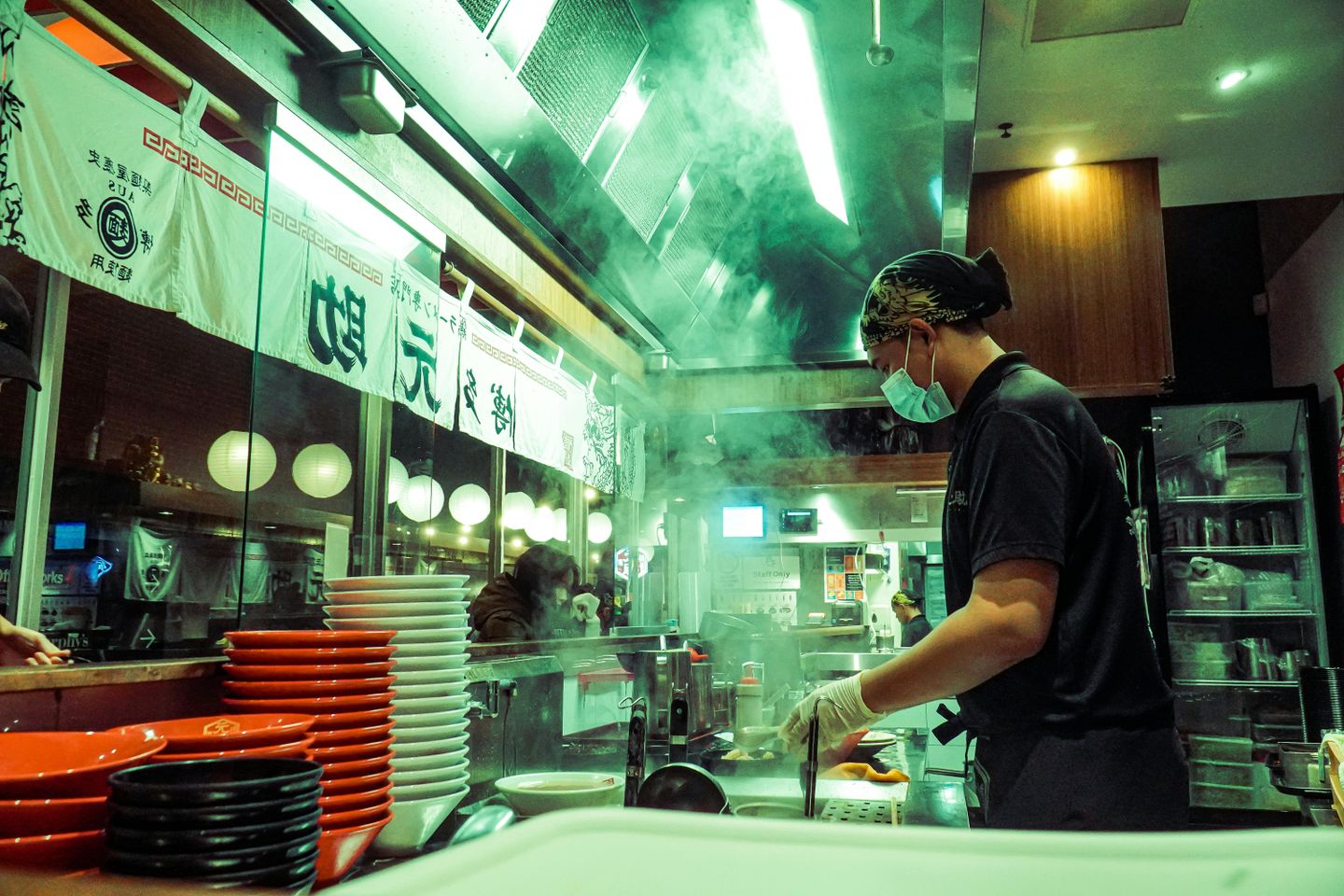
A Japanese line cook

Activities: "Invitations: How to say “let’s…” in Japanese?"

By: Mayumi Ito
Associated Articles

These activities are part of our Japanese Grammar series. The skills we are practicing here are covered in our article:

Activity 1: Forming sentences

Let’s start with practice forming invitation sentences. Follow the instructions and write three short Japanese sentences using the same verb. Also, add the English translation. Each sentence should use one of the expressions covered in the post (don’t forget to change the verb form). Choose the polite or casual style depending on the situation given. All the keywords are in the word bank. You may need to add some particles.

  • You and your friend are shopping for a wedding gift for your favorite teacher. You pick up one item you like best, a figurine, and say:

    この

    kono

    this

    〜にする

    …ni suru

    to pick; choose

    おきもの

    okimono

    ornament; figurine

    • Sample answer: このおきものにしよう。[Kono okimono ni shiyō.](Let’s choose this figurine.)

    • Sample answer: このおきものにしようか。[Kono okimono ni shiȳo ka.](Shall we choose this figurine? )

    • Sample answer: このおきものにしない。[Kono okimono ni shinai.](Why don’t we choose this figurine?)
      👉 しないか[shinai ka] is acceptable though it sounds a bit rough, especially for female speakers.

  • You and your coworker are told to clean up the storage area of the office. You find a box full of broken things in the closet and say:

    この

    kono

    this

    すてる

    suteru

    to throw away

    はこ

    hako

    box

    • Sample answer: このはこはすてましょう。[Kono hako wa sutemashō.](Let’s throw away this box.)

    • Sample answer: このはこはすてましょうか。[Kono hako wa sutemashō ka.](Shall we throw away this box?)

    • Sample answer: このはこはすてませんか。[Kono hako wa stemasen ka.](Why don’t we throw away this box?)

  • You and your friend are attending a karaoke party. Both of you are rather shy, but you think you can sing if your friend joins you. So you say:

    ねえ

    hey

    うたう

    utau

    to sing

    いっしょに

    issho ni

    together

    • Sample answer: ねえ、いっしょにうたおう。[Nē, issho ni utaō.](Hey, let’s sing together.)

    • Sample answer: ねえ、いっしょにうたおうか。[Nē, issho ni utaō ka.](Hey, shall we sing together?)

    • Sample answer: ねえ、いっしょにうたわない。[Nē, issho ni utawanai.](Hey, why don’t we sing together?)
      👉 うたわないか[utawanai ka] is acceptable though it sounds a bit rough, especially for female speakers.

  • You and your neighbors are planning for a neighborhood association’s New Year’s party. You suggest everyone bring New Year's dishes:

    もちよる

    mochiyoru

    to carry in; bring

    おせちりょうり

    osechi ryōri

    New Year’s dishes

    みんなで

    min’na de

    collectively

    • Sample answer: みんなでおせちりょうりをもちよりましょう。[Min’na de osechi ryōri o mochiyorimashō.](Let’s collectively bring New Year’s dishes for the potluck.)

    • Sample answer: みんなでおせちりょうりをもちよりましょうか。[Min’na de osechi ryōri o mochiyorimashō ka.](Shall we bring New Year’s dishes for potluck, everyone?)

    • Sample answer: みんなでおせちりょうりをもちよりませんか。[Min’na de osechi ryōri o mochiyorimasen ka.](Why don’t we bring New Year’s dishes for potluck, everyone?)

Activity 2:

Read each short dialogue, select the correct Japanese word to go in the blank, and complete the English translation. Sometimes, there might be more than one possible answer. In such cases, choose the one that you think most appropriate.

  • いく[iku](to go)

    A:

    いいてんきですね。いっしょにさんぽにいきませんか。
    Ii tenki desu ne. Issho ni sanpo ni ikimasen ka.
    It's nice weather, isn’t it! Why don’t we go for a walk together?

    B:

    いいですね。どこまで
    Ii desu ne. Doko made ___.

    Sounds good. How far ?

    Because there is a question word in B’s line どこまで[doko made](how far), it should be a question. We can’t use a question word with 〜ませんか as in いきませんか.

  • かたづける[katazukeru](to tidy up)

    A:

    あら、あら、またちらかして。いっしょにね。
    Ara, ara, mata chirakashite. Issho ni ___ ne.

    Oh my, you have made a mess again. together, OK?

    B:

    はーい。
    Hāi.
    Okay.

    〜ましょうね / 〜ようね works like a gentle command when spoken by parents or other nurturing figures. Please note that かたづけようかね could work if A is a grandparent, but it’s not the best answer.

  • にげる[nigeru](to flee; get out)

    A:

    あっ、かじだ。
    A, kaji da. ___.

    Oh, it’s a fire. .

    B:

    うん、ひじょうぐち、こっちだよ!
    Un, hijōguchi, kocchi da yo!
    Yeah, the emergency exit is this way!

    In an urgent situation, にげよう works best. This is not a time to seek the listener’s approval.

  • たべる[taberu](to eat)

    A:

    (ポリポリ) このおせんべい、すごくおいしいよ。めいちゃんも
    (Pori pori) Kono osenbei, sugoku oishii yo. Mei chan mo ___?

    (Crunch, crunch) These rice crackers are super tasty. Mei, ?

    B:

    うん、たべる!
    Un, taberu!
    Sure. Will do!

    たべようか can’t be used in the “Join-me” type of invitation sentences like this. Since there is a question mark at the end, it can’t be たべよう. The translation can be “Why don’t you eat them too?”

  • あつめる[atsumeru](to collect)

    A:

    あ、もうじかんですね。では、テストを
    A, mō jikan desu ne. Dewa, tesuto o ___.

    Oh, the time is up now. Well then, the tests.

    B:

    え〜!せんせい、あと5ふんまってください!
    Ē! Sensei, ato go fun matte kudasai!
    Oh no! Teacher, please wait five more minutes!

    The students know that the teacher will collect the tests when the time comes. Both あつめましょう and あつめましょうか work here. あつめましょうか will sound more gentler than あつめましょう.

To embark on your next language adventure, join Mango on social!

Ready to take the next step?

The Mango Languages learning platform is designed to get you speaking like a local quickly and easily.

Mango app open on multiple devices