Use only these words: です[desu], 、が[ga], すし[sushi], 大好き[daisuki], も[mo]
- Jon
ぼくはすしが大好きです。
Boku wa sushi ga daisuki desu.
I love sushi.
- Yōko
わたしもすしが大好きです。
Watashi __.
Translation: I love sushi too.

The class is over at Mango Japanese School in Tokyo! International students John and Chun meet their Japanese friends Yoko and Takashi to go out for dinner together. But before that, they have to determine who likes to eat what. Can you help them, using their common language: Japanese?
ジョン(John) | チュン(Chun) | たかし(Takashi) | ようこ(Yoko) | |
|---|---|---|---|---|
 すし sushi | 😍 大好きです Daisuki desu I love | 😒 好きじゃありません Suki ja arimasen I don’t like | 😒好きじゃありません Suki ja arimasen I don’t like | 😍大好きです Daisuki desu I love |
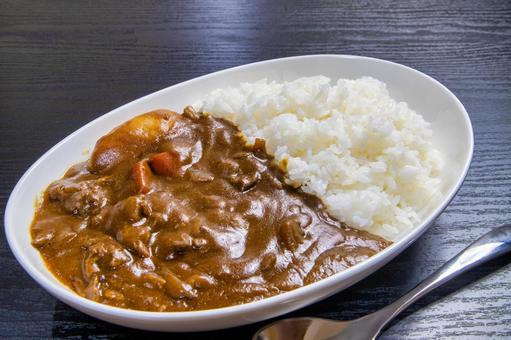 カレーライス karēraisu curry & rice | 😍 大好きです Daisuki desu I love | 😒 好きじゃありません Suki ja arimasen I don’t like | 😍大好きです Daisuki desu I love | 😒好きじゃありません Suki ja arimasen I don’t like |
Let’s create a missing sentence based on the information we can gather from the chart above. For 1-4, build a sentence using the given words. Add the English translation too.
Use only these words: です[desu], 、が[ga], すし[sushi], 大好き[daisuki], も[mo]
ぼくはすしが大好きです。
Boku wa sushi ga daisuki desu.
I love sushi.
わたしもすしが大好きです。
Watashi __.
Translation: I love sushi too.
Now you try!
Use only these words: も[mo], 大好き[daisuki], カレーライス[karēraisu], です[desu]
ぼくはすしが大好きです。ぼくは。
Boku wa sushi ga daisuki desu. Boku wa __.
Translation: I love sushi.
Use only these words: も[mo], 大好き[daisuki], カレーライス[karēraisu], が[ga], です[desu]
ぼく 。でも、すしは好きじゃありません。
Boku __. Demo, sushi wa suki ja arimasen.
Translation: . But, as for sushi, I don’t like it very much.
Use only these words: 好き[suki], も[mo], が[ga], カレーライス[karēraisu]
わたしはカレーライスが好きじゃありません。
Watashi wa karēraisu ga suki ja arimasen.
As for me, I don't like curry rice.
わたしじゃありません。
Watashi __ ja arimasen.
Translation:
Use only these words: じゃありません[ja arimasen], すし[sushi], 好き[suki], も[mo]
わたしは。
Watashi wa
Translation:
This time, let’s use “XもYも” to create sentences using the chart above. The English translation is given.
ジョンさんもわたしもすしが大好きです。
Jon san mo watashi mo sushi ga daisuki desu.
Both John and I love sushi.
ぼくは 。
Boku wa __.
I love both sushi and curry rice.
わたしは。
Watashi wa __.
I love neither sushi nor curry rice.
。
__.
Both John and I love curry rice.
。
__.
Neither Chun nor I love curry rice.
"XもYも" works as "both X and Y" in an affirmative sentence, and "neither X nor Y" in a negative sentence. "XもYも" itself, however, doesn’t have a negative meaning as "neither…nor" does in English. Make sure to use a negative ending along with it!