Activities: How to use adverbs in Japanese?
Exercise #1: Build an adverb!
Let’s start with a fun activity! See the pictures below. They are accompanied with captions of onomatopoeic or mimetic expressions in Japanese. Using them as clues, complete each sentence by filling the blanks with adverbs of manner you have created, using the “onomatopoeic (or mimetic) expressions + と” structure!
ドアが 閉まった。
Doa ga ... shimatta.
The door banged shut.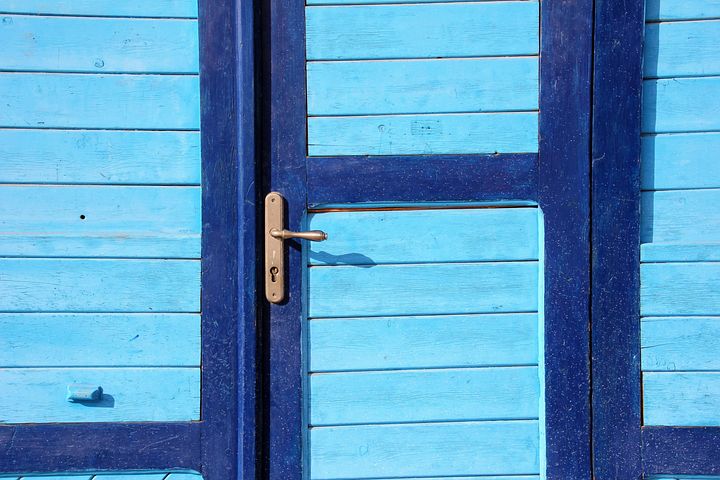
バタン
batanさるがバナナを 食べている。
Saru ga banana o ... tabeteiru.
A monkey is munching on bananas.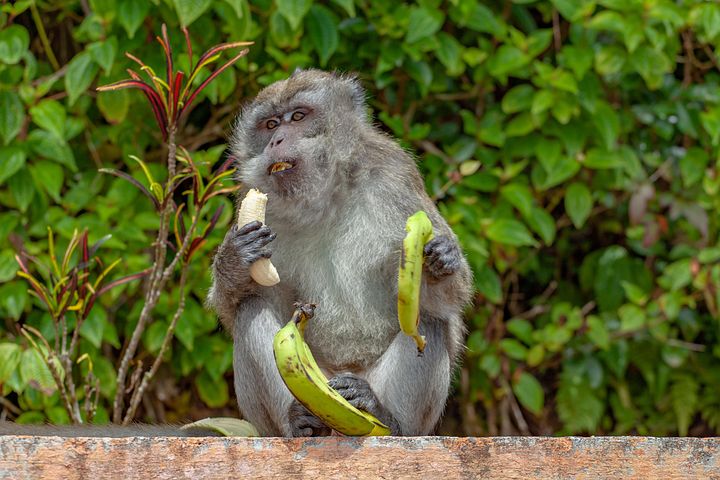
むしゃむしゃ
mushamusha犬に 顔をなめられた。
Inu ni ... kao o namerareta.
I had my face licked by a dog.
ペロペロ
peropero大切なお皿が 割れた。
Taisetsuna osara ga ... wareta.
My precious plate broke into pieces.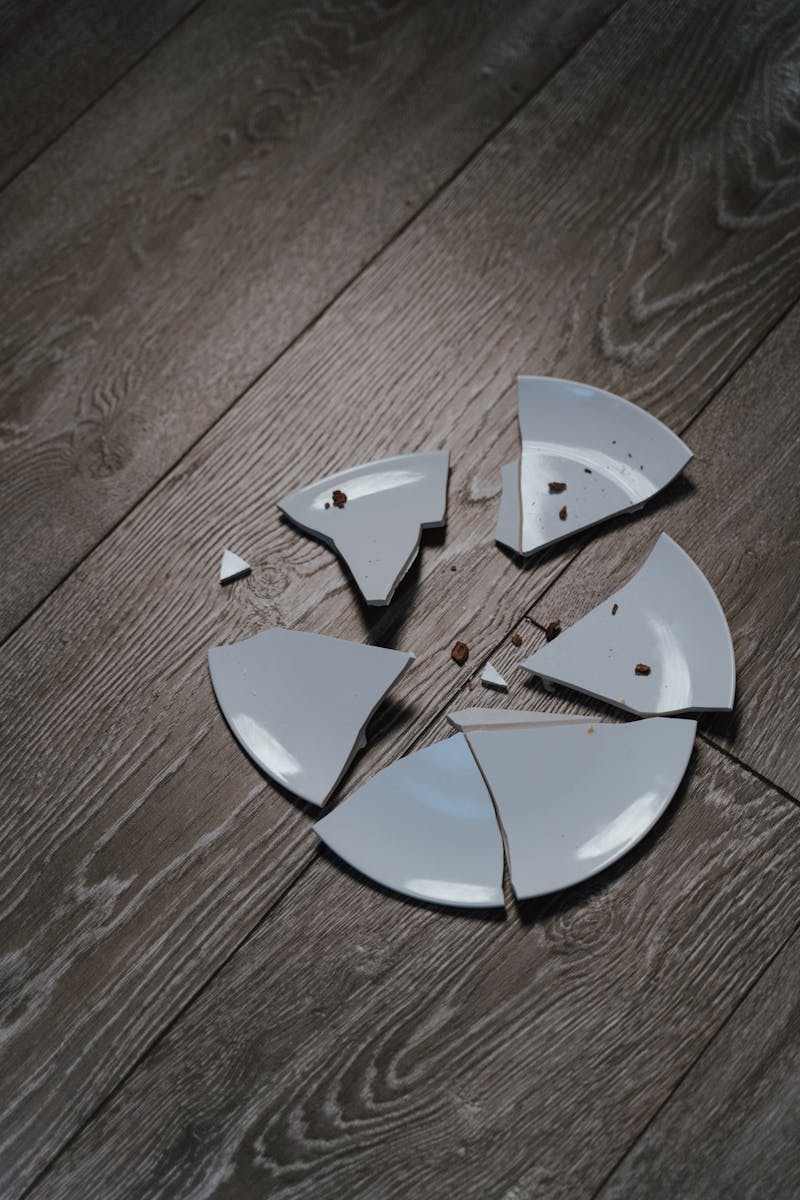
パリン
parinプールにアヒルのおもちゃが浮かんでいる。
Pūru ni ahiru no omocha ga ... ukandeiru.
A rubber ducky is floating in the pool.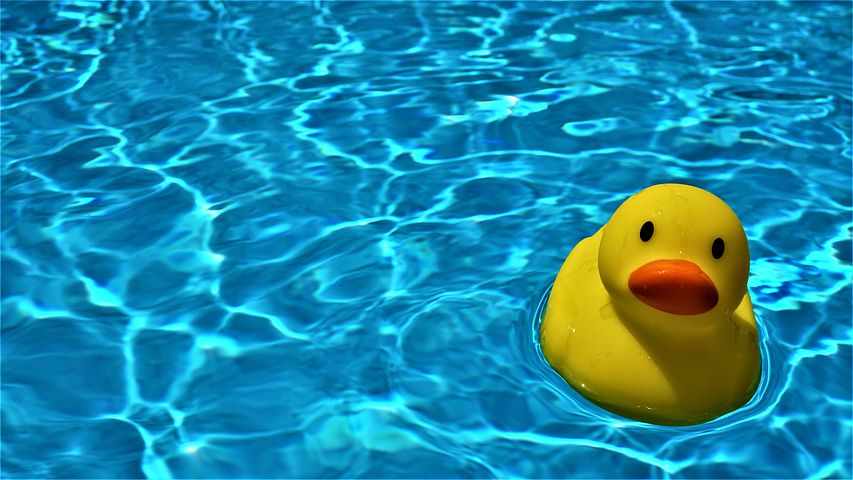
プカプカ
pukapuka先生が入ってきたとたん、教室は 静まり返った。
Sensei ga haittekita totan, kyōshitsu wa ... shizumarikaetta.
The moment the teacher came in, the classroom fell into total silence.
しーん......
shiin…
Exercise 2: Adverbs of degree, frequency, and quantity
Are you ready to move onto the adverb of degree/frequency/quantity? Complete the following sentences by adding one of the adverbs given in the Word Bank. Use the English translation as a cue! (You can use each adverb only once.)
A: 日本語がわかりますか。
Nihongo ga wakarimasu ka.
Do you understand Japanese?
B: ええ、 わかります。
Ē, ... wakarimasu.
Yes, I understand it a little.A: 漢字は読めますか。
Kanji wa yomemasu ka.
Can you read kanji (Chinese characters)?
B: いいえ、読めません。
Iie, ... yomemasen.
No, I can’t read it at all.小川さんは親切な人です。
Ogawa san wa ... shinsetsuna hito desu.
Ms Ogawa is a very kind person.朝は 7時に起きますが、ときどき6時ごろ起きます。
Asa wa ... shichi ji ni okimasu ga, tokidoki roku ji goro okimasu.
I usually get up at seven o’clock in the morning, but I sometimes get up around six.宿題は終わりました。あと2問だけです。
Shukudai wa ... owarimashita. Ato ni mon dake desu.
I’ve mostly done my homework. Only two more questions to go!さっきおにぎりを食べましたから、今お腹がいっぱいです。
Sakki onigiri o ... tabemashita kara, ima onaka ga ippai desu.
I ate a lot of rice balls a short while ago, so I’m full now.今日はくもりです。いい天気じゃありません。
Kyō wa kumori desu. ... ii tenki ja arimasen.
It’s cloudy today. It’s not very good weather.週末は友達とテニスをします。
Shūmatsu wa tomodachi to ... tenisu o shimasu.
As for weekends, I often play tennis with my friends.A: テスト、どうだった?
Tesuto, dō datta?
How was your test?
B: 難しかったよ。もうくたくた・・・。
... muzukashikatta yo. Mō kutakuta….
It was quite hard, you know. I’m pooped already….
Exercise 3: Adverbs of correspondence
The last one! Let’s practice using some adverbs of correspondence this time. Read the sentences below and complete each sentence by choosing the correct answer.
今度 遊びに来てください。
Kondo ... asobini kite kudasai.
By all means, please come for a visit sometime.来年日本に行けるかもしれない。
... rainen nihon ni ikeru kamoshirenai.
Possibly, I might be able to go to Japan next year.陽子さんはパーティーに来ないだろう。
Yōko san wa ... pātii ni konai darō.
Yoko probably won’t come to the party.すみません。これからはうそをつきません。
Sumimasen. Korekara wa ... uso o tsukimasen.
I’m sorry. I’ll never lie from now on.野中先生はとてもかわいい。 まんがのキャラクターのようだ。
Nonaka sensei wa totemo kawaii. ... manga no kyarakutā no yōda.
Nonaka sensei is very cute. She looks as if she is a comic book character.