A communal cookpot in a traditional Japanese lodge

Activities: "How to discuss clock time in Japanese?"

By: Mayumi Ito
Associated Articles

These activities are part of our Japanese Grammar series. The skills we are practicing here are covered in our article:

Activity 1: Telling time

Let’s start with telling time! Answer the following questions using the corresponding clocks in the clue box. For practice, let’s spell the time out either in hiragana or romaji!

  • Clue Box

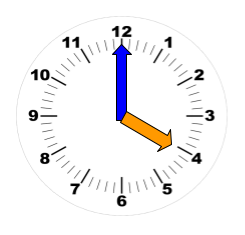
    (1)

    A clock showing the time 4:00.

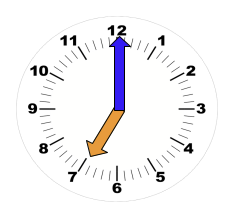
    (2)

    A clock showing the time 7:00.

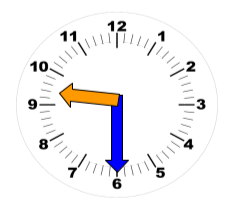
    (3)

    A clock showing the time 9:30.

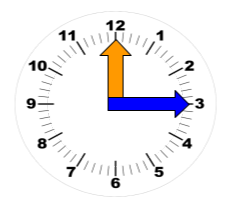
    (4)

    A clock showing the time 12:15.

    (5)

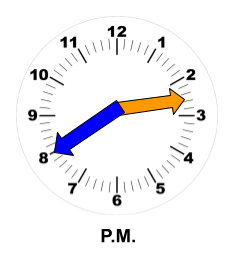
    A clock showing the time 2:40 P.M.

    (6)

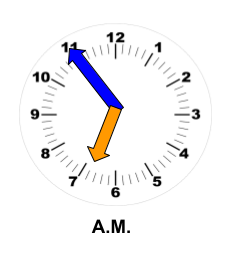
    A clock showing the time 6:55 A.M.

    (7)

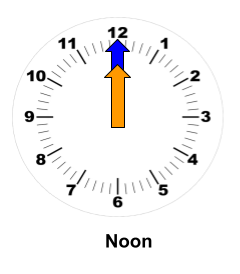
    A clock showing the time 12:00 noon.

    (8)

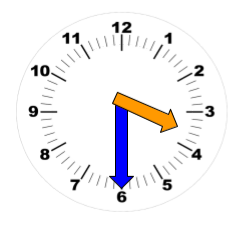
    A clock showing the time 3:30.
    • A:

      すみません、今何時ですか。
      Sumimasen, ima nan ji desu ka.

      👉 すみません[sumimasen](excuse me), [ima](now)

      Excuse me, what time is it now?

    • B:

      です。
      Ima desu.

      It’s 4 o’clock now.

    • A:

      今日は何時に起きましたか。
      Kyō wa nan ji ni okimashita ka.

      👉 今日[kyō](today), 起きました[okimashita](got up)

      What time did you get up today?

    • B:

      に起きました。
      ni okimashita.

      I got up at 7 o’clock.

    • A:

      ミーティングは何時からですか。
      Miitingu wa nan ji kara desu ka.

      👉 ミーティング[miitingu](meeting)

      What time will the meeting start? (lit. From what hour will the meeting be?)

    • B:

      からですよ。
      kara desu yo.

      It starts at half past nine. (lit. It’s from half past nine.)

    • A:

      次のバスは何時に来ますか。
      Tsugi no basu wa nan ji ni kimasu ka.

      👉 次の[tsugi no](next), バス[basu](bus), 来ます[kimasu](will come)

      What time will the next bus come?

    • B:

      に来ます。
      ni kimasu.

      It’ll come at 12:15.

    • A:

      明日は何時に家を出ますか。
      Ashita wa nan ji ni ie o ie o demasu ka.

      👉 明日[ashita](tomorrow), [ie](house), 出ます[kimasu](leave)

      What time are you leaving home tomorrow?

    • B:

      ごろ出ます。
      goro demasu.

      I’m going to leave around 2:40 P.M.

    • A:

      あさっては何時の新幹線で京都へ行きますか。
      Asatte wa nan ji no shinkansen de Kyōto e ikimasu ka.

      👉 あさって[asatte](the day after tomorrow), 行きます[ikimasu](will go), 何時の新幹線[nan ji no shinkansen](lit. bullet train of what time)

      By which bullet train are you going to Kyoto the day after tomorrow? (lit. By a bullet train of what time…)

    • B:

      の新幹線で行きます。
      no shinkansen de ikimasu.

      I’m going by the 6:55 A.M. bullet train. (lit. ...by the bullet train of 6:55 A.M.)

      Note: When talking about the timetables, it’s better to say the time straightforwardly instead of saying “five to seven.”

  • (7&8)

  • A:

    日本語のクラスは何時から何時までですか。
    Nihongo no kurasu wa nan ji kara nan ji made desu ka.

    👉 日本語[nihongo](Japanese language), クラス[kurasu](class)

    From what time to what time is your Japanese class?

  • B:

    (7) から (8) までです。
    (7) kara (8) made desu.

    It’s from noon to 3:30.

Activity 2: Scheduling

A few weeks ago, you made an appointment for a haircut and coloring at a popular hair studio in Tokyo, but don’t remember the exact time. Let’s complete the following short dialogue by filling blanks based on the clues given. For practice, spell out the number and counter in hiragana or romaji!

    • A:

      すみません、明日の予約はでしたっけ。
      Sumimasen, ashita no yoyaku wa deshitakke.
      Excuse me, what time was my appointment for tomorrow?

    • B:

      です。
      desu.
      It’s at 4:00 P.M.

      でも、できればにいらしてください。
      Demo, dekireba ni irashite kudasai.
      But if possible, please come at ten to four.

    • A:

      カットとカラーリングで時間がかかりそうですか。
      Katto to karāringu de jikan ga kakarisō desu ka.
      How long do you think it’ll take for a haircut and coloring?

    • B:

      たぶんだと思います。
      Tabun da to omoimasu.
      I think it’ll probably take about two hours and a half.

    (Next afternoon…)

    • A:

      すみません、バスに乗り遅れたので遅れそうです。
      Sumimasenn, basu ni noriokureta node, okuresōdesu.
      I’m sorry, but because I missed a bus, it seems I’ll be about fifteen minutes late.

      たぶんに着くと思います。
      Tabun ni tsuku to omoimasu.
      I think I’ll probably arrive (at your place) around 4:05.

    • B:

      わかりました。お待ちしています。
      Wakarimashita. Omachishite imasu.
      OK. We’ll be waiting for you.

Activity 3: Survey

You are answering some survey questions. Answer the following questions, based on your own life. Don’t worry, your privacy is protected! If some of the questions don’t apply to you, you can create an alter ego and invent his/her life routine!

  • 今日は何時に起きましたか。
    Kyō wa nan ji ni okimashita ka.
    What time did you get up today?

    Example answer:
    ろくじはんにおきました。
    Roku ji han ni okimashita.

    I got up at half past six.

  • 何時間寝ましたか。
    Nan jikan nemashita ka.
    How many hours did you sleep?

    Example answer:
    よじかんはんぐらいです。ねむいです・・・
    Yojikan han gurai desu. Nemui desu…

    About four hours and a half. I’m sleepy…

  • 仕事(学校)は何時から何時までですか。
    Shigoto (gakkō) wa nan ji kara nan ji made desu ka.
    From what time to what time do you work (or study)?

    Example answer:
    ごぜんくじからごごさんじまでです。
    Gozen ku ji kara gogo san ji made desu.

    It’s from 9:00 a.m. to 3:00 p.m.

  • 日本語を毎日どのくらい勉強しますか。
    Nihongo o mainichi donokurai benkyō shimasu ka.
    How long do you study Japanese everyday?

    Example answer:
    さんじゅっぷんぐらいです。テストのまえはよじかんぐらいべんきょうします。
    Sanjuppun gurai desu. Tesuto no mae wa yo jikan gurai benkyō shimasu.

    (I study for) about thirty minutes. Before the tests, I study for about four hours.

  • スマホを毎日どのくらい使っていますか。
    Sumaho o mainichi donokurai tsukatte imasu ka.
    How long do you use your smartphone everyday?

    Example answer:
    さんじかんぐらいつかっています。
    San jikan gurai tsukatte imasu.

    I use it for about three hours.

  • 毎日どのくらい運動しますか。
    Mainichi donokurai undō shimasu ka.
    How long do you exercise everyday?

    Example answer:
    にじゅっぷんぐらいです。いぬとさんぽにいきます。
    Nijuppun gurai desu. Inu to sanpo ni ikimasu.

    About twenty minutes. I take a walk with my dog.

  • 今日は何時ごろ寝ますか。
    Kyō wa nan ji goro nemasu ka.
    Around what time are you going to bed today?
    Example answer:
    たぶんよなかのじゅうにじごろねます。
    Tabun yonaka no jūni ji goro nemasu.

    I’ll probably go to bed around 12:00 midnight.

To embark on your next language adventure, join Mango on social!

Ready to take the next step?

The Mango Languages learning platform is designed to get you speaking like a local quickly and easily.

Mango app open on multiple devices