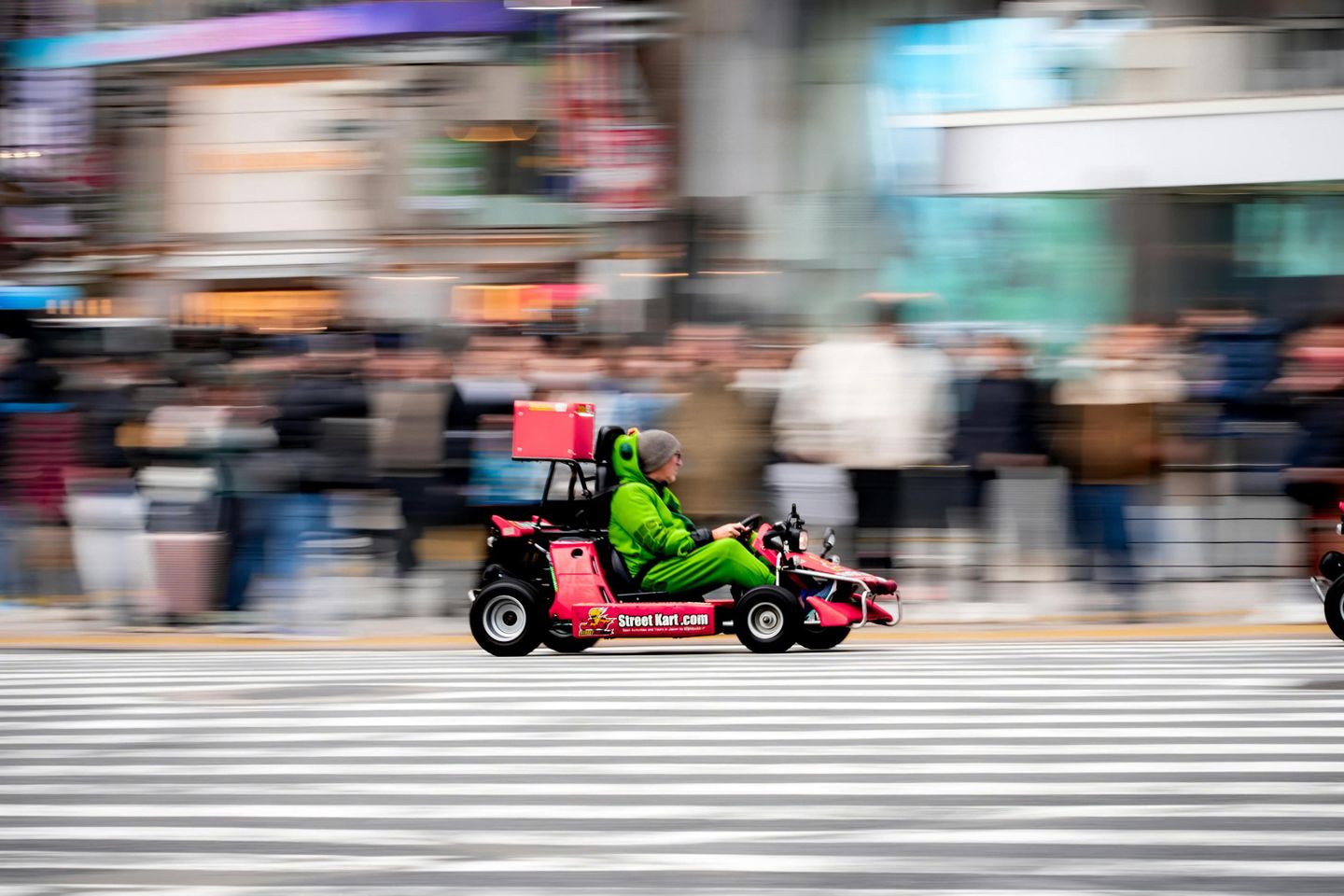
A man drives a go-kart through Tokyo streets

Activities: "How to describe giving and receiving favors in Japanese?"

By: Masaru Mito
Associated Articles

These activities are part of our Japanese Grammar series. The skills we are practicing here are covered in our article:

Activity 1: Describe favors

Part 1: 〜てあげる

Describe the following favors, using 〜てあげる. Look up the verb's te-form in case you forgot how to make it.

Doer of the favor, favor, receiver of the favor.
  • watashi

    I

    英語を教える

    eigo o oshieru

    to teach English

    友達

    tomodachi

    friend

    ました。

  • watashi

    I

    病院に連れていく

    byōin ni tsurete iku

    to take somebody to a hospital

    haha

    my mother

    ました。

  • watashi

    I

    遊ぶ

    asobu

    to play/hang out

    imōto

    my younger sister

    ました。

  • watashi

    I

    かばんを持つ

    kaban o motsu

    to carry a bag

    友達

    tomodachi

    friend

    ました。

Part 2: 〜てくれる and 〜てもらう

Describe the following favors, using 〜てくれる. Then, rephrase the sentences with 〜てもらう.

Doer of the favor, favor, receiver of the favor.
  • 私の友達

    watashi no tomodachi

    my friend

    おかしを買う

    okashi o kau

    to buy snacks

    otōto

    my younger brother

    てくれる: ました。

    てもらう: ました。

  • 近くの人

    chikaku no hito

    the person nearby

    写真を撮る

    shashin o toru

    to take a picture

    watashi

    I

    てくれる: ました。

    てもらう: ました。

  • chichi

    my father

    料理を作る

    ryōri o tsukuru

    to make dishes

    watashi

    I

    てくれる: ました。

    てもらう: ました。

Activity 2: Which verb?

Select the most appropriate Japanese verb in the parentheses.

  • 山田さんが私の絵を描いて (!あげました!くれました)。
    Yamada san ga watashi no e o kaite (agemashita/kuremashita).
    Ms. Yamada drew a picture of me.
  • 私の親友がクラスメートのために誕生日パーティを開いて (!あげました!くれました)。
    Watashi no shinyū ga kurasu mēto no tameni tanjōbi pātī o hiraite (agemashita/kuremashita).
    My best friend held a birthday party for her classmate.
  • 田中さんが佐藤さんに本を貸して (!あげました!くれました)。*both are equally close to the speaker
    Tanaka san ga Satō san ni hon o kashite (agemashita/kuremashita).
    Mr. Tanaka lent a book to Mr. Sato.
  • 部長がみんなに晩ご飯をごちそうして (!差し上げました!くださいました)。
    Buchō ga min’na ni bangohan o gochisō shite (sashiagemashita/kudasaimashita).
    Our boss treated us to dinner.

Challenge!

Let’s choose the appropriate one without English translations. As a hint, use the word bank and the context!

  • 林さんは私におかしを作って (!くれました!もらいました)。
    Hayashi san wa watashi ni okashi o tsukutte (kuremashita/moraimashita).

    Word bank: [watashi](I), はやしさん[hayashi san](Mr. Hayashi), おかし[okashi](snacks), 作る[tsukuru](to make)

  • 弟は私の友達に歴史を教えて (!くれました!もらいました)。
    Otōto wa watashi no tomodachi ni rekishi o oshiete (kuremashita/moraimashita).

    Word bank: 私の友達[watashi no tomodachi](my friend), [otōto](my younger brother), 歴史[rekishi](history), 教える[oshieru](to teach)

  • 私は先生に推薦状を書いて (!くださいました!いただきました)。
    Watashi wa sensei ni suisenjō o kaite (kudasaimashita/itadakimashita).

    Word bank: [watashi](I), 先生[sensei](teacher), 推薦状[suisenjō](recommendation letter), 書く[kaku](to write)

To embark on your next language adventure, join Mango on social!

Ready to take the next step?

The Mango Languages learning platform is designed to get you speaking like a local quickly and easily.

Mango app open on multiple devices