A |
|---|
イルカ iruka dolphin 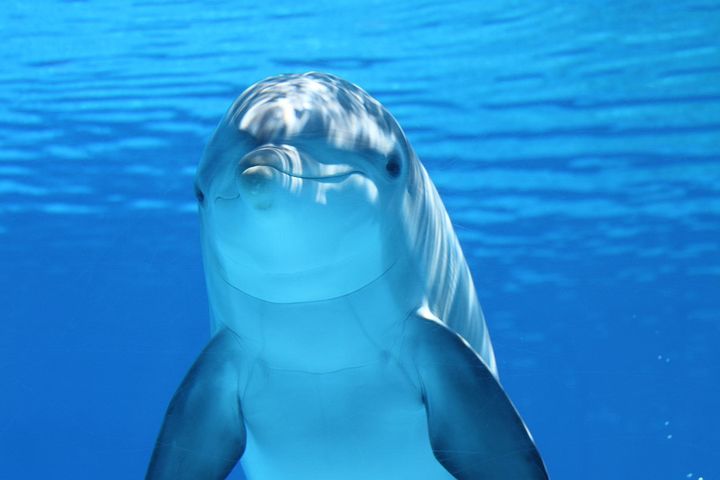 |
B |
|---|
シャチ shachi killer whale 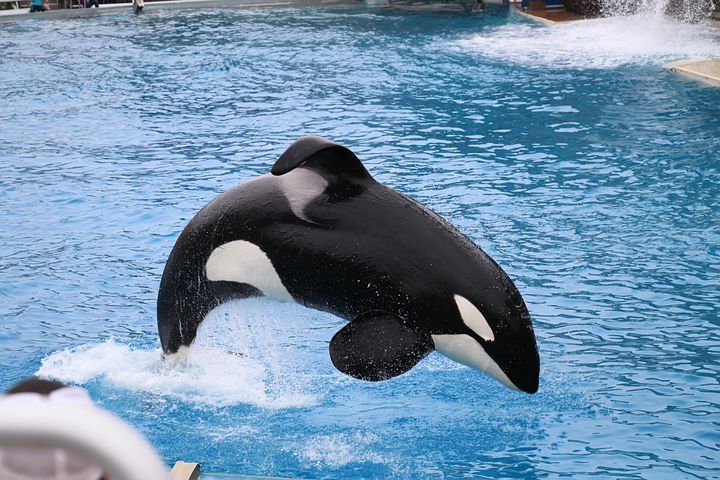 |
Word Bank | |
|---|---|
小さい chiisai small | は wa |
より yori | です desu |
Let’s start with practicing constructing comparison sentences. Build each sentence according to the instruction. All the necessary words are given. You can use the same word multiple times when necessary in each case. Then add the English translation below the Japanese sentence.
Let’s talk about A in comparison with B.
A |
|---|
イルカ iruka dolphin |
B |
|---|
シャチ shachi killer whale |
Word Bank | |
|---|---|
小さい chiisai small | は wa |
より yori | です desu |
Japanese:
English:
Let’s compare A and B (there is no topic in the sentence).
A |
|---|
キリン kirin giraffe 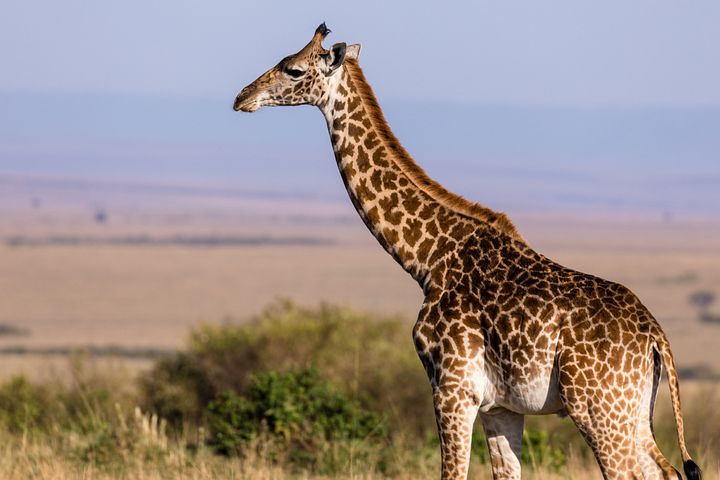 |
B |
|---|
シカ shika deer 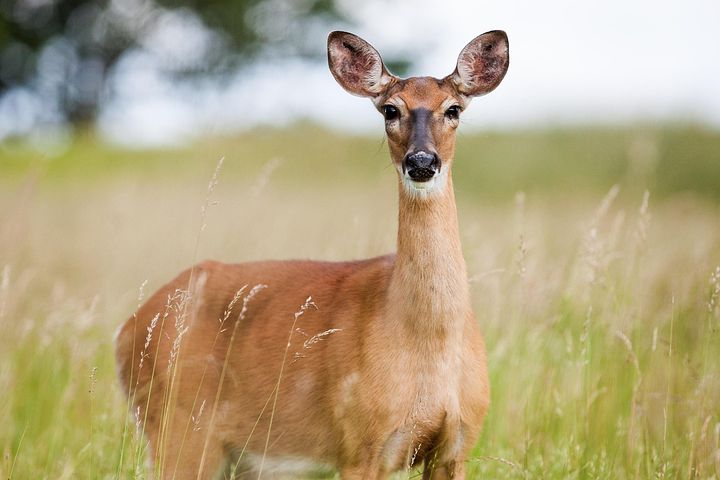 |
Word Bank | |
|---|---|
首が長い kubi ga nagai have a longer neck lit. neck is long | より yori |
です desu | のほうが no hō ga |
Japanese:
English:
Let’s make a negative comparison sentence about A.
A |
|---|
サイ sai rhinoceros 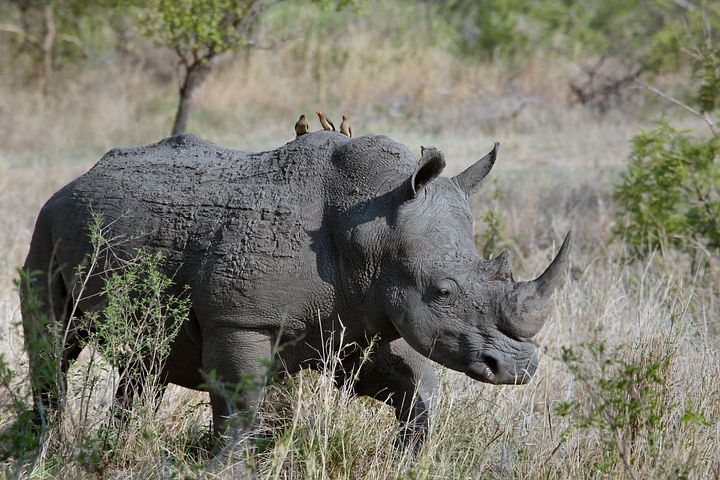 |
B |
|---|
ゾウ zō elephant 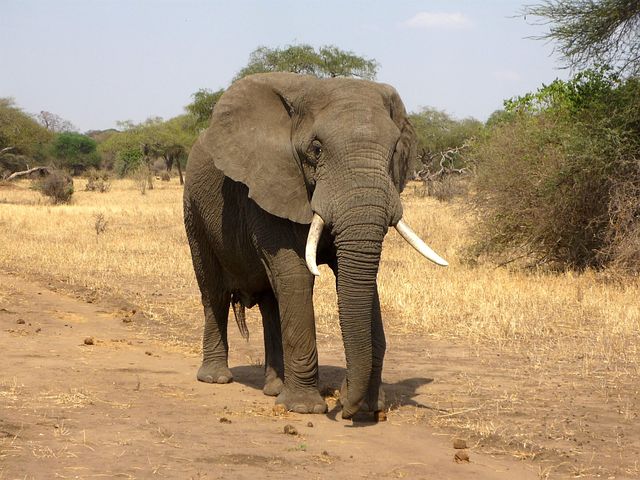 |
Word Bank | |
|---|---|
大きくない ōkikunai not big | は wa |
ほど hodo | です desu |
Japanese:
English:
Let’s say there is not much difference between A and B (no topic, but in that order).
A |
|---|
こねこ koneko kitten 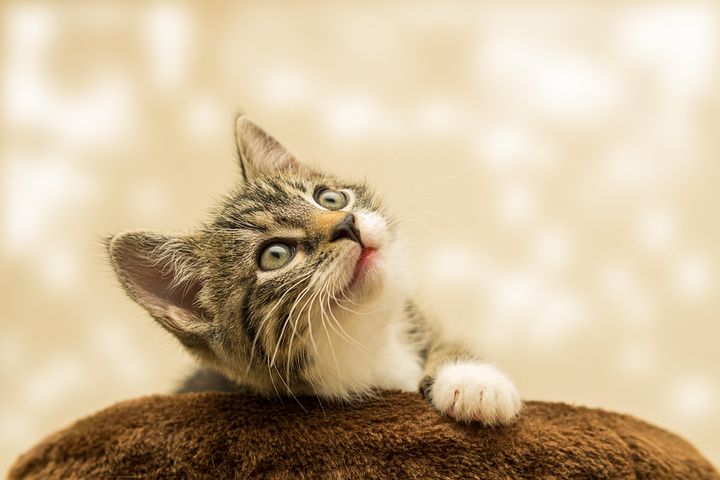 |
B |
|---|
こいぬ koinu puppy 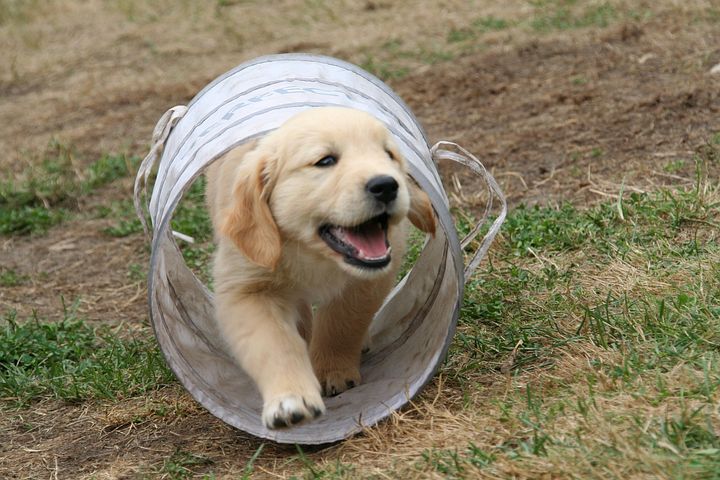 |
Word Bank | |
|---|---|
同じぐらい onaji gurai as [X] as… | も mo |
かわいい kawaii cute | です desu |
Japanese:
English:
Let’s build a question that asks which ranks the highest among A, B, and C (in that order).
A |
|---|
ライオン raion lion 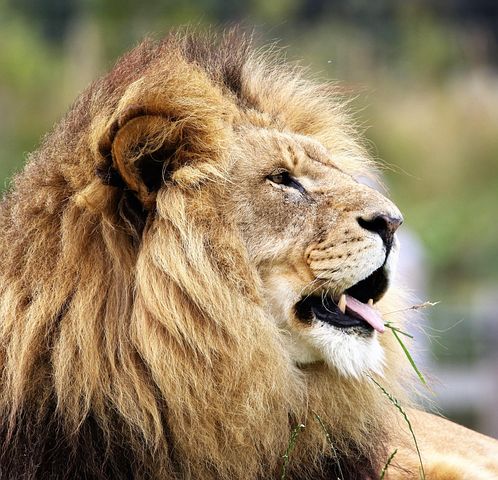 |
B |
|---|
チーター chiitā cheetah 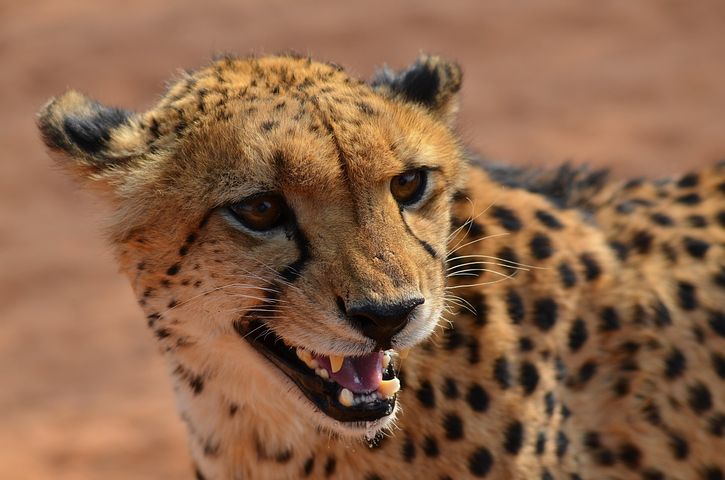 |
C |
|---|
シマウマ shimauma zebra 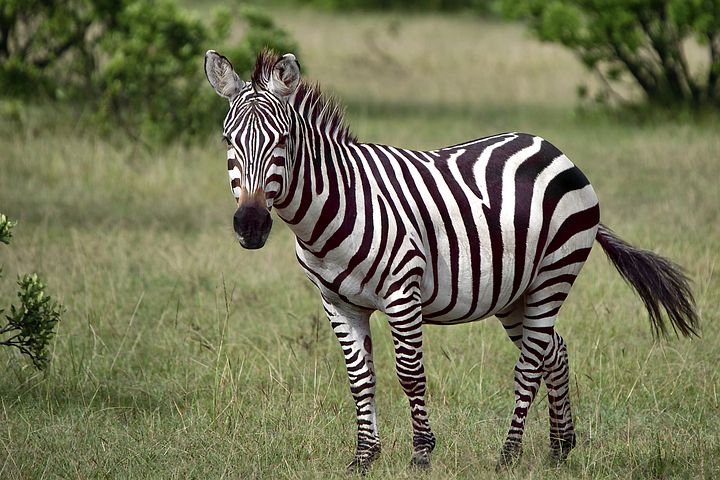 |
Word Bank | |||
|---|---|---|---|
早く走れます hayaku hashiremasu runs the fastest | では no naka de wa | と to | か ka |
いちばん kawaii | が ga | どれ dore | |
Japanese:
English:
Fill in each blank with the most appropriate answer among the options.
A: 遅かったですね。
Osokatta desu ne.
You are late, aren’t you?
B: すみません。でも木下さん 早かったでしょう?
Sumimasen. Demo Kinoshita san ... hayakatta deshō?
I’m sorry. But I arrived earlier than Ms. Kinoshita, right?
A: ドーナツとケーキ、を食べたい?
Dōnatsu to kēki, ... o tabetai?
Which do you want to eat, donuts or cakes?
B: ケーキ・・・かな?
Kēki…kana?
I want…a cake, I guess.
A: 演劇部でがいちばん演技がじょうずですか。
Engekibu de ... ga ichiban engi ga jōzu desu ka.
Who is the best at acting in the drama club?
B: ああ、それは佐藤さんです。
Ā, sore wa Satō san desu.
Oh, that’s Ms. Sato.
A: 今日も暑いですね。
Kyō mo atsui desu ne.
It’s hot today, too, isn’t it!
B: ええ、でも今日はきのう暑くないですよね。
Ē, demo kyō wa kinō ... atsukunai desu yo ne.
Yes, but today is not as hot as yesterday, don’t you agree?
A: この店のラーメンはおいしいですね!
Kono mise no rāmen wa oishii desu ne!
The ramen here is tasty, isn’t it?!
B: ええ、たしかに。でもうちの近くの店のラーメンはおいしいですよ。
Ē. Demo uchi no chikaku no mise no rāmen wa ... oishii desu yo.
Yes, for sure. But the ramen served at a restaurant near my house is much tastier, you know.
A: アニメとホラーとSFのうちで、 をいちばん見たいですか。
Anime to horā to esu efu no uchi de, ... o ichiban mitai desu ka.
Which do you want to watch the most, an anime (movie), a horror (movie), or science fiction (movie)?
B: うーん、もあまり見たくないです。ラブコメはありませんか。
Ūn, ... mo amari mitakunai desu. Rabukome wa arimasen ka.
Hmmm, I don’t want to watch either of them. Don’t you have a romantic comedy?
A: 冬と夏とどちらが好きですか。
Fuyu to natsu to dochira ga suki desu ka.
Which do you like better, winter or summer?
B: 夏のほうが好きです。寒いのは苦手ですが、暑いのは大好きですから。
Natsu no hō ga ... suki desu. Samui no wa nigate desu ga, atsui no wa daisuki desu kara.
I like summer much more. I’m not a huge fan of cold weather, but I love hot weather.
The following questions are just for you! The answers, therefore, vary. The translations are not given, but you can refer to the word bank to figure out the meaning of each question. You can spice up your answers by adding an adverb of degree such as ずっと[zutto](much), かなり[kanari]( fairly), and すこし[sukoshi](a little) if you like!
今、すしとピザとどちらが食べたいですか。
Ima, sushi to piza to dochira ga tabetai desu ka.
Which do you want to eat now, sushi or pizza?
Word Bank | |||
|---|---|---|---|
今 ima now | すし sushi sushi | ピザ piza pizza | 食べたいです tabetai desu want to eat |
ひらがなとかたかなとどちらがむずかしいですか。
Hiragana to katakana to dochira ga muzukashii desu ka.
Which is more difficult, hiragana or katakana?
Word Bank | ||
|---|---|---|
ひらがな hiragana hiragana | かたかな katakana sushi | むずかしいです muzukashii desu is difficult |
今、どこへいちばん旅行に行きたいですか。
Ima, doko e ichiban ryokō ni ikitai desu ka.
Where would you most like to travel now?
Word Bank | ||
|---|---|---|
今 ima now | 旅行に ryokō ni for travel | 行きたいです ikitai desu want to go |
テニスとゴルフと水泳のうちで、どれをいちばんやりたいですか。
Tenisu to gorufu to suiei no naka de, dore o ichiban yaritai desu ka.
Which of the two do you care to do the most, tennis, golf, or swimming?
Word Bank | |||
|---|---|---|---|
テニス tenisu tennis | ゴルフ gorofu golf | 水泳 suiei swimming | やりたいです yaritai desu want to play/do |
ともだちの中でだれがいちばんのんき者ですか。
Tomodachi no naka de dare ga ichiban nonkimono desu ka.
Who is the most carefree of your friends?
Word Bank | |||
|---|---|---|---|
ともだち tomodachi friend | のんき者 nonkimono easygoing person | ||