Have you ever wondered how people say "dad" or "father" in other languages? Maybe you've heard some already, like padre in Spanish or pèrein French, but what about Russian, Cherokee, Farsi, or Swahili?
In this article we'll teach you more than 50 words for "father" that are used around the world! Then we'll talk about some other fun facts about words for "dad" and about Father's Day celebrations around the world. By the time you're finished reading, we hope you'll have something great to talk about over Father's Day brunch!
How to say "father" in 10+ languages?
Ready to make your multi-lingual Father's Day card? Let's learn how to say "father" and "dad" in some of the most popular languages offered by Mango!
Spanish: 'Padre'
Padre transcribed PAH-dreis the Spanish word for "father," but there are also some less formal words for "dad" in Spanish, including papá transcribed pah-PAH and papi transcribed PAH-pee. Papá is used more like "dad," while papi is a little more casual, like "daddy."

Korean: 아버지 [abeoji]
The standard word for "father" in Korean is 아버지 transcribed abeoji, but if you're being formal or talking about a stranger's father it's better to add the formal ending -님 transcribed -nim and use the word아버님 transcribed abeonim instead. In an informal context, though, it's okay to say 아빠 transcribed appa, which is more like "dad" or "daddy."

Mandarin Chinese: 父親 [fùqīn]
The word 父親 transcribed fùqīn in Mandarin Chinese is a very formal word for "father," and it is mostly used in writing. In everyday speech, you're more likely to hear people say 爸爸 transcribed bàba, 爸 transcribed ba, or 爹 transcribed diē (though this last is more common in some regions than in others).

French: 'Père'
The French word for "father" or "dad" is père transcribed pehr, but if you're talking directly to your dad you might also call himpapa transcribed pah-PAH or pap transcribed pahp.

German: 'Vater'
In German, the word for "father" is vater transcribed FAH-ter. When you're speaking less formally, you can also say papa transcribed PAH-pah, papi transcribed PAH-pee, or you could use other pet names like väterchen transcribed FEH-ter-shen (which is the diminutive of vater)

Russian: Отец [ahtyets]
The Russian word отец transcribed ah-TYETS is a formal word for "father," but in everyday speech you'll probably hear папа transcribed PAH-pah, which is a lot like saying "dad." There are also many less formal options, like папочка transcribed PAH-pach-ka or папуля transcribed pa-POO-lya.

Italian: 'Padre'
In Italian, just like in Spanish, padre transcribed PAH-dre is the word for "father," and also, just like Spanish, the more everyday Italian word for "dad" is papà transcribed pah-PAH. However, there are some words for "dad" in Italian that are a little different, like babbo transcribed BAB-bo (common in Tuscany) or papino transcribed pah-PEE-no.

Arabic: أب [abb]
The word for "father" in Arabic is أب transcribed abb(pronounced with the "a" sound we use for the word "ash"). You will also hear the words والد transcribed WAA-lid, يابا transcribed YAH-bah, or بابا transcribed BAH-bah quite often in speech, though they're used a little differently in different dialects (for example, in some dialectsبابا is mostly used by children, while in others it's used by adults as well).

Portuguese: 'Pai'
The word pai transcribed pai means "father" or "dad" in both European and Brazilian Portuguese, but in an informal setting the word papai transcribed pah-PAI can also be used, a bit like the word "daddy" in English.

Japanese: 父親 [chichioya]
In Japanese, the word 父親 transcribed chichioya is used to refer to a "father" in a general or legal sense, but usually if we're talking about a specific person's father we use another word, likeお父さん transcribed otou-san, 父 transcribed chichi, パパ transcribed papa, or おとん transcribed oton

How to say "father" in other languages?
Hungry for more? Here are the words for "father" in fifty more of the languages that we teach here at Mango!
Armenian:հայրիկ transcribed hayrik
Azerbaijani: ata
Bengali: পিতা transcribed pitaa
Chaldean Aramaic: אבא transcribed abba
Cherokee: ᎠᎩᏙᏓ transcribed agidoda
Croatian: otac
Czech: otac
Danish: far
Dari: پدر transcribed pedar
Dutch: vader
Dzongha: ཨ་པ transcribed apa
Farsi: پدر transcribed pedar
Finnish: isä
Greek: πατέρας transcribed patéras
Haitian Creole: papa
Hawaiian: makuakāne
Hebrew: אַבָּא transcribed abba
Hindi: पिता transcribed pita
Hungarian: apa
Icelandic: föður
Igbo: nna
Indonesian: ayah
Irish: athair
Javanese: bapak
Latin: pater
Malay: ayah
Malayalam: അച്ഛൻ transcribed achan
Norwegian: far
Pashto: پلار transcribed plaar
Polish: ojciec
Potawatomi: nos
Punjabi (Pakistani): ਪਿਤਾ transcribed pita
Romanian: tată
Scottish Gaelic: athair
Serbian: отац transcribed otats
Shanghainese: 父親 transcribed fùmǔ
Slovak: otec
Swahili: baba
Swedish: far
Tagalog: ama
Tamil: அப்பா transcribed appā
Telugu: తండ్రి transcribed taṇḍri
Thai: พ่อ transcribed ph̀x
Turkish: baba
Tuvan: ача transcribed acha
Ukrainian: батько transcribed batko
Urdu: والد transcribed walid
Uzbek: ota
Vietnamese: bố
Yiddish: פאטער transcribed fater
Why is the word for "dad" so similar in different languages?
Have you ever noticed that words for "dad" in different languages all sound very similar? Whether you're speaking Spanish, Arabic, English, Japanese, Chinese, or Russian, casual words for "dad" always seem to use the same sorts of sounds: "ba," "pa," "da," or sometimes "ta." Why is that?
Most linguists agree that different languages' words for "dad" are so similar because sounds like "da," "ba," and "pa," are some of the first sounds most babies can physically produce.
Babies can make "ba," "pa," and "da" sounds very early because they don't require much coordination. You can make "ba" and "pa" (called "bilabial" sounds) just with your lips, and "da" and "ta" by moving your whole tongue to the roof of your mouth as one unit.
Now, get ready for the science!
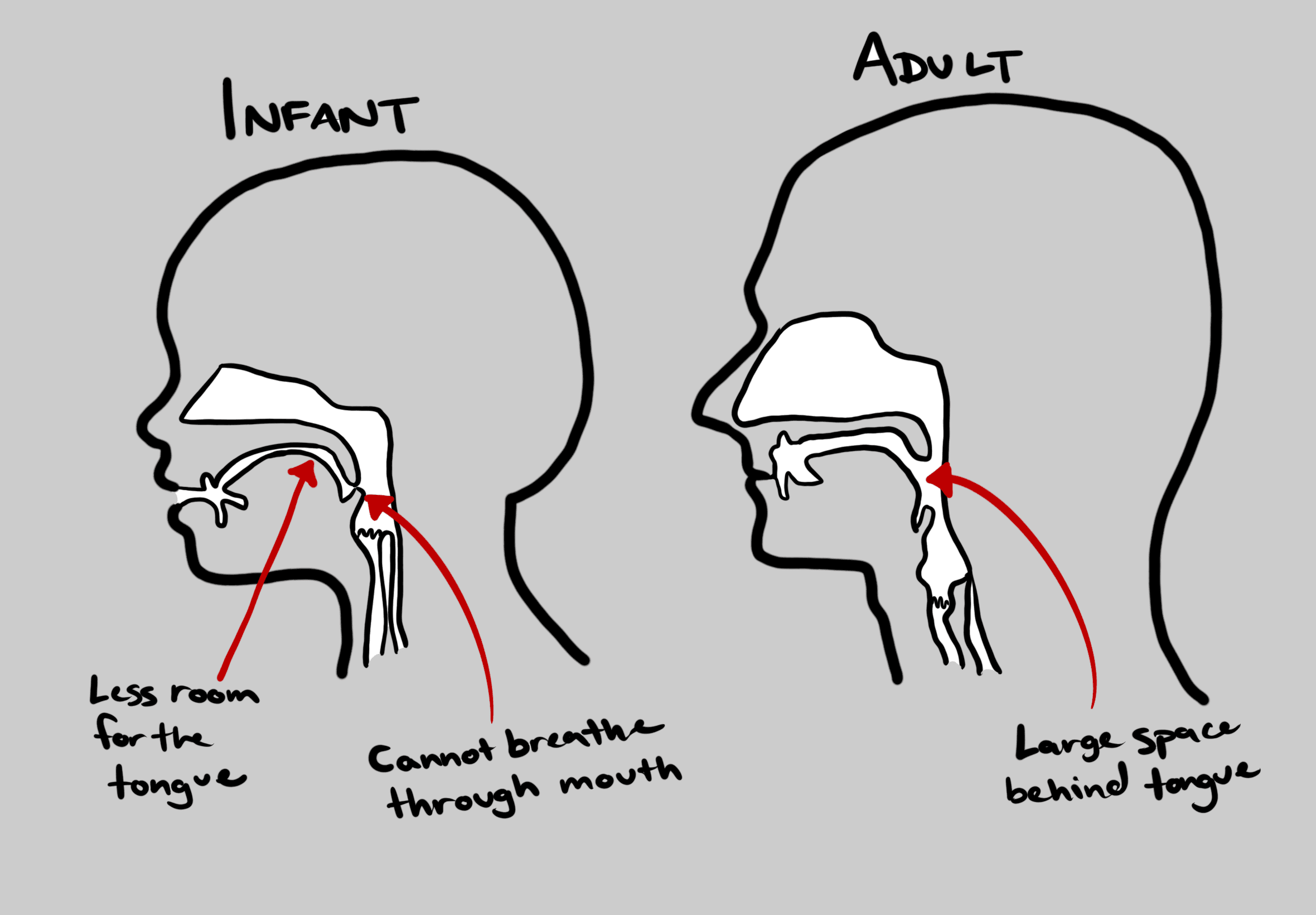
When babies are born, their throat is structured so that they can only make sounds that come out through their noses, like "ma" and "na." These sounds become words like "mama," for mothers. But as babies get a bit older, and can start to make noises through their mouths, the next easiest sounds, "ba," "pa," and "da," go to the fathers!
Why are these sounds the first sounds we make through our mouth? When babies are very young, the space between the tongue and the throat is much smaller, which restricts the range of sounds they can produce. Try making vowels like "ee" or "oo" or consonants like "r" or "sh" and feel how much the back of your tongue is moving and flexing. A tiny baby can't make those movements, and so they stick to sounds that are further forward in the mouth ("d" and "t") or even sounds made at the lips ("b" and "p").
Do they celebrate Father's Day in other countries?
In recent years, many people worldwide have recently started celebrating an American-style Father's Day on the third Sunday of June, but in a lot of countries it's not an official holiday. In some countries, though, people celebrate fathers on a different day and with a different set of traditions. Here are some examples of similar holidays that are celebrated around the world:
Italy → In Italy, Father's Day is celebrated on March 19th, which is the Festa di San Giuseppe meaning Feast of Saint Joseph, a Roman Catholic celebration of Saint Joseph, the earthly father of Christ. On this day, Italians eat sweet treats, especially zeppole di san Giuseppe, which is a special type of cream puff.
This Roman Catholic holiday is also celebrated as Father's Day in several other countries, such as Portugal, Spain, Croatia, and Bolivia. In Brazil, fathers are celebrated at the feast of Saint Joachim (Mary's father, the patron saint of fathers), on the first Sunday in August, instead.

Germany → In Germany, Father's Day is celebrated on Ascension Day, which is 40 days after Easter. On this holiday, called Herrentag meaning Gentlemen's Day, Vatertag meaning Father's Day, or Männertag meaning Men's Day, some fathers celebrate much like we do in the United States (spending time with their families), while other adult men take the day to go on group hikes or other excursions, often with wagons full of drinks and food.
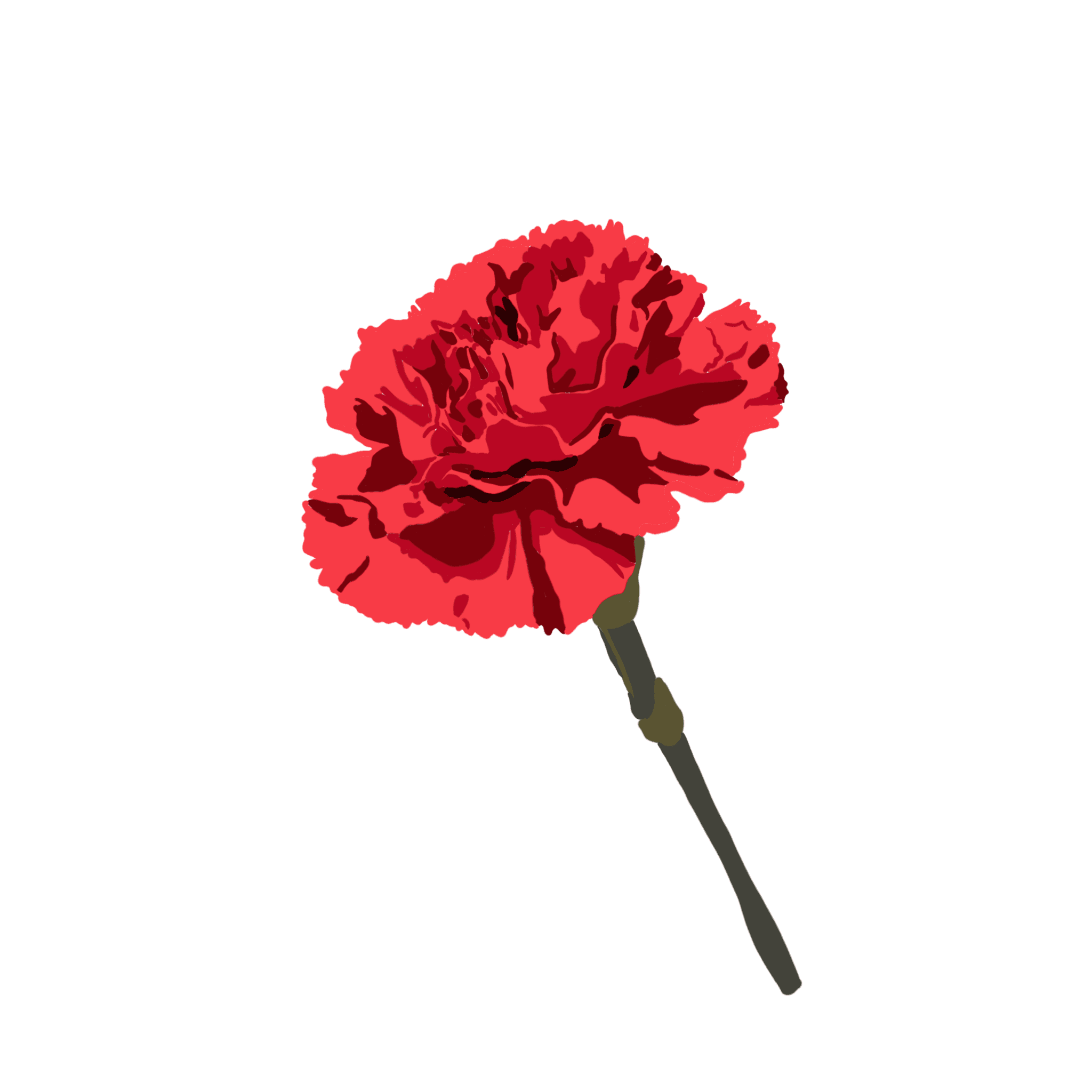
South Korea → In South Korea, mothers and fathers are celebrated on the same day, 어버이날 meaning Parents' Day, which takes place on May 8th. On this day, parents are typically given carnations, and it is broadly a day for honoring elders.
Australia and New Zealand → Australia and New Zealand celebrate Father's Day much as we do in the United States, but there it takes place on the first Sunday in September, which is the first Sunday of Spring in the southern hemisphere.
:quality(80))